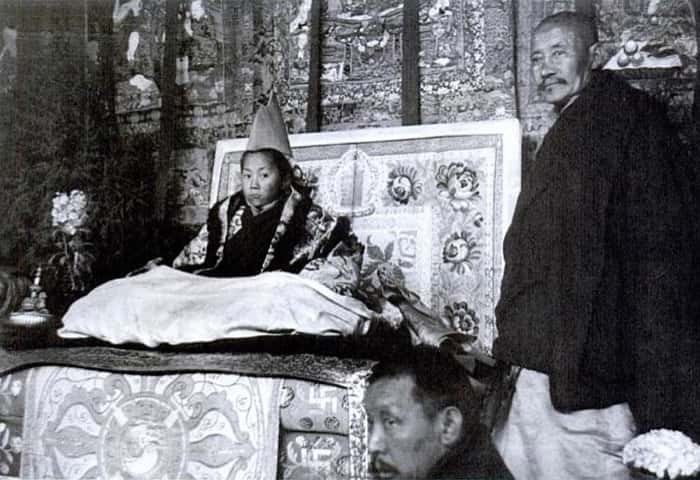
The year 1959 brought mounting turmoil to Tibet, as friction between Chinese authorities and Tibetan resistance forces demanding autonomy reached a breaking point. On March 10, a massive gathering of thousands of Tibetans filled the streets of Lhasa in defiance of Chinese rule, driven by fears that the Dalai Lama might be kidnapped. With conditions deteriorating rapidly, the Dalai Lama arrived at a life-altering choice—he would escape Tibet. This fateful decision became a turning point in Tibetan history, setting the stage for decades spent in exile and a tireless campaign for Tibetan autonomy.
Wearing the disguise of a soldier, he set out alongside a small band of loyal followers on a perilous 15-day trek across the Himalayas. He finally crossed into India on March 30, where he received asylum. In the wake of his escape, the Tibetan government-in-exile was founded in Dharamsala, India. Through every hardship that followed, the Dalai Lama pressed forward in championing Tibetan rights, reflecting a commitment that never wavered.
To this day, the Dalai Lama stands as an enduring icon of peace and resilience. His journey reminds him of the struggle for freedom and the power of nonviolent resistance.
Fun Facts:
- Date of Escape: March 30, 1959
- Starting Point: Lhasa, Tibet
- Destination: India
- Reason for Escape: Increasing Chinese control and threats to his safety
- Impact: Led to the Tibetan government-in-exile and global awareness of Tibet's struggle
- The Dalai Lama's flight to India was a defining moment in Tibetan history, symbolizing the resilience of a people fighting for their culture, religion, and independence