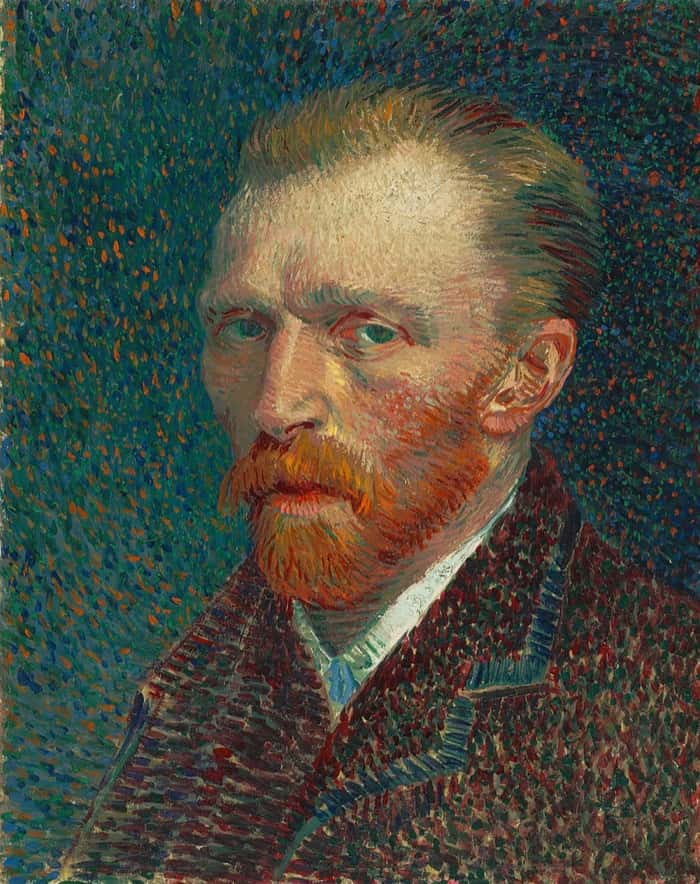
Vincent Van Gogh entered the world on March 30, 1853, in the village of Zundert, Netherlands, born to Dutch parents. What lay ahead was a life that would fundamentally transform the landscape of art. A symbol of both artistic passion and struggle, Van Gogh would go on to inspire generations of artists and art enthusiasts alike.
Van Gogh's family played a deeply formative role in shaping his creative path. Anna Cornelia Carbentus, his mother, nurtured in him an appreciation for watercolors, nature, and drawing. Meanwhile, his father, Theodorus van Gogh, brought up the family amid the austere rural countryside. Adding a layer of emotional complexity to his upbringing, Van Gogh was born exactly one year after the passing of their first son, Vincent — a fact that left a profound emotional impact on him. Yet even with these early struggles casting a shadow, the art Van Gogh created would come to reflect his deep compassion and understanding of the world around him.
It wasn't until his late twenties, when Vincent first picked up a paintbrush, that his true life purpose came into focus. Largely self-taught, he pursued art knowledge on his own and studied the work of classic artists and his fellow artists, despite receiving minimal formal training. His earliest paintings featured sober colors and depicted rural scenes and peasants, conveying a deep compassion towards the countryside inhabitants.
In 1886, Van Gogh made the move to Paris alongside his brother Theo, who worked as an art dealer. This relocation proved to be a pivotal turning point in his artistic career. Suddenly immersed in the vibrant art world of Paris, he encountered the works of French impressionists like Claude Monet and Georges Seurat. The bright, vibrant colors and innovative brushwork these artists employed left a profound mark on Van Gogh's style, pushing him to abandon his former technique of using dim colors in his initial works and embrace a more joyful, vibrant approach.
It was during this period that Van Gogh achieved his major artistic breakthrough with the creation of his widely acclaimed "Sunflowers" series. These works showcased revolutionary brushwork paired with the vivid yellow tones of sunflowers, cementing his place in art history.