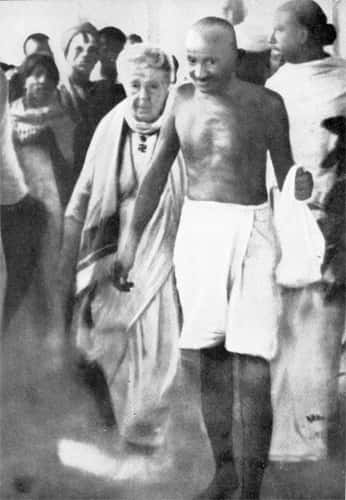
On March 3, 1939, Mahatma Gandhi launched a fasting protest targeting India's dictatorial government — a bold move that would further cement his devotion to democratic action and non-violent resistance. The political landscape of the late 1930s was complex: while the British directly administered British India, princely states such as Rajkot operated under local monarchs who answered to British suzerainty. In Rajkot, the ruler Thakore Saheb Dharmendrasinhji had reneged on promises of reform, clinging to absolute governmental control. Witnessing the suppression of democratic expression there, Gandhi felt compelled to intervene.
Throughout his life, Gandhi championed satyagraha — non-violent resistance — as a powerful tool against oppression. The people of Rajkot had risen in protest after Thakore Saheb Dharmendrasinhji betrayed their trust by abandoning his commitments to administrative reform. Gandhi's decision to fast was both a deliberate strategy to spotlight the suffering of Rajkot's residents and a profound act of self-sacrifice. By putting his own body on the line, he sought to compel both the local ruler and British authorities to honor their promises of democratic governance. The fast came to an end four days after the dispute was referred to the Chief Justice of India.
In 1939, Gandhi also took a firm stance against India's involvement in World War II, arguing that a nation denied its own freedom had no business fighting for democracy elsewhere. The British government, buckling under political pressure, eventually permitted negotiations that produced reforms and wrung concessions from the Rajkot ruler. Meanwhile, international outrage over British conduct in India bolstered Gandhi's broader cause and ultimately helped erode British colonial rule.
Though obstacles persisted, the British eventually shifted their policy, and Gandhi was later released. Along with Congress leaders, Gandhi was arrested and spent two years in prison. The protest lent momentum to India's independence struggle, which culminated in 1947 when freedom was finally achieved and the subcontinent was divided into India and Pakistan. Gandhi's fast stood as compelling evidence that moral and ethical convictions, when applied with strategic purpose, could dismantle even the most repressive systems.