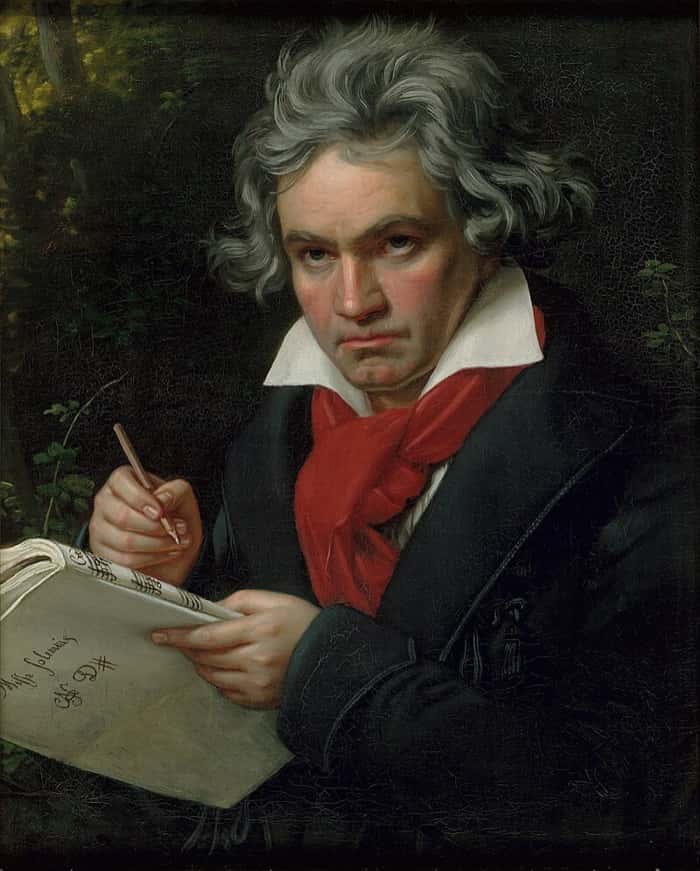
On March 29, 1795, the musical world witnessed a pivotal moment when a young Ludwig van Beethoven stepped before a Viennese audience for the very first time. The venue was the prestigious Burgtheater, and the piece he chose to showcase his talents was his Piano Concerto No. 2 in B-flat major — a work that would go on to become a cornerstone of his early catalogue. The crowd was utterly spellbound by both his technical mastery and the profound emotional richness of his playing, and their rapturous reception cemented his standing as an emerging force in the European music scene.
Remarkably, Beethoven was just 24 years old at the time, yet he had already built a formidable reputation as both a virtuoso pianist and a composer brimming with potential. The overwhelming praise that greeted his debut signaled the emergence of a true musical prodigy. This landmark concert would prove to be the launching pad for a career that produced some of his most beloved compositions, including Symphony No. 5 and Moonlight Sonata.
What followed was nothing short of a revolution in classical music, as Beethoven shattered conventions in both composition and performance. That first evening on the Burgtheater stage marked only the opening chapter of an extraordinary career — one that would leave a permanent and profound imprint on the world.
Fun Facts:
- Debut Venue: Burgtheater, Vienna
- Piece Performed: Piano Concerto No. 2 in B-flat major
- Age at Debut: 24 years old
- Tragically, towards the end of his life, Beethoven was afflicted with deafness, a cruel twist of fate for a man whose career was built on his acute senses.