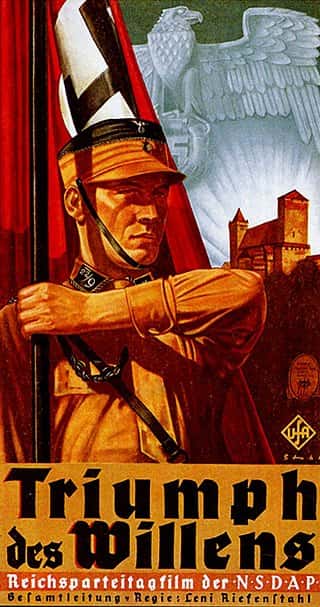
On March 28, 1935, Nazi Germany saw the release of Triumph of the Will — a propaganda film that would go on to become one of the most notorious ever produced. Under the direction of Leni Riefenstahl, the documentary captured the 1934 Nuremberg rallies, presenting Adolf Hitler and the Nazi Party in a deeply glorified manner. Sweeping camera angles, dramatic lighting, and carefully synchronized marches combined to produce an overwhelming visual spectacle. Though widely acknowledged for its groundbreaking cinematographic techniques, the film has come to represent the extraordinary power propaganda holds over public perception.
To this day, Triumph of the Will remains a fixture in film and media curricula — a chilling testament to how effectively propaganda can mold public opinion. Leni Riefenstahl's direction played no small part in reinforcing Nazi ideology, helping to expand the regime's grip on pre-war Germany. The technical craftsmanship on display is undeniably striking, yet it is the film's deep and lasting imprint on history that truly sets it apart.
Discover the ways this film left its mark on propaganda and political communication across the decades.
Key Facts:
- Triumph of the Will documented the 1934 Nazi Party Congress in Nuremberg.
- Leni Riefenstahl directed the film, using innovative cinematographic techniques.
- The film was intended to glorify Adolf Hitler and the Nazi Party.
- It is considered one of the most effective propaganda films ever made.
- Despite its artistic techniques, it remains controversial due to its association with Nazi propaganda.
- The film serves as a historical example of how media can be used to shape political narratives, a lesson that remains relevant today.