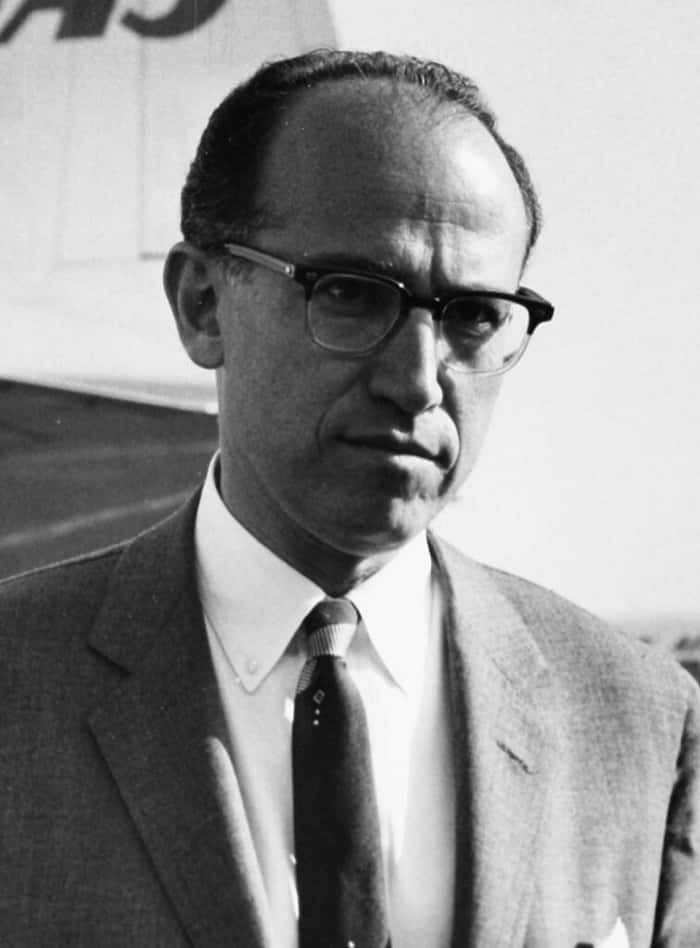
It was March 26, 1953, when Dr. Jonas Salk stepped into the public spotlight to announce the first vaccine against polio—a disease that had terrorized families for generations. This single moment represented a turning point in medical history, one that would ultimately spare millions of people from paralysis and death.
For centuries, poliomyelitis—commonly known as polio—had been a scourge on human populations, but its devastation reached staggering heights during the early 1900s. The year 1952 brought the worst recorded outbreak the USA had ever experienced: more than 57,000 cases and 3,000 lives lost. Children bore the brunt of the disease, and those who survived often faced permanent paralysis. Countless victims depended on the iron lung, a mechanical respirator designed to help them breathe.
A vaccine was the world's only hope, and the need was urgent.
Working as a virologist at the University of Pittsburgh, Dr. Jonas Salk crafted an inactivated polio vaccine (IPV) built on killed poliovirus strains. The genius of this method lay in training the immune system to identify the virus without triggering an actual infection. Salk shared his findings with the nation on March 26, 1953, taking to a national radio broadcast to detail how his vaccine could safely generate immunity. In a powerful demonstration of confidence, he and his team that same year vaccinated themselves and their own families, offering direct proof of the vaccine's safety.
Then came the definitive trial. In 1954, an enormous effort saw 1.6 million children across the U.S., Canada, and Finland receive the vaccine. On April 12, 1955, the world learned the results—the vaccine was safe, effective, and capable of preventing polio in 80-90% of cases. Authorities approved it for public use without delay. The transformation was staggering: polio cases across the U.S. plummeted from 58,000 in 1952 to a mere 161 by 1961.
In a decision that cemented his legacy as a humanitarian, Salk chose not to patent the vaccine, insisting it was a gift to all of humanity. Asked who held the patent, his now-legendary response was, "The people. There is no patent. Could you patent the sun?" His pioneering efforts paved the way for future breakthroughs, including the oral polio vaccine (OPV) that Albert Sabin developed in the 1960s. Thanks to global vaccination campaigns, polio has now been eradicated across most of the world. What happened on March 26, 1953 transcended science—it signaled the beginning of polio's end.