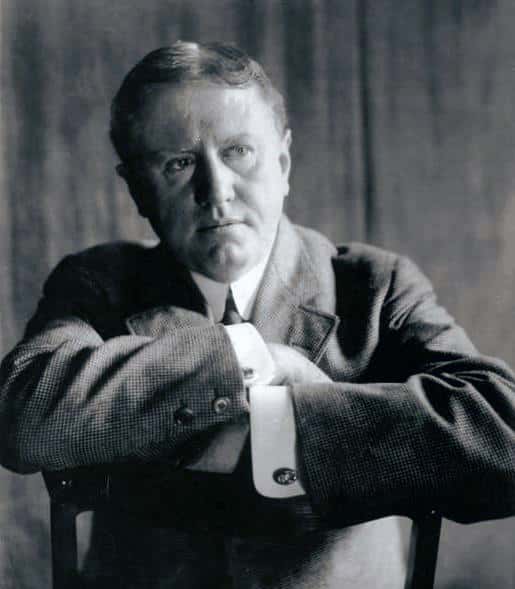
William Sydney Porter—the man the world would come to know as O. Henry—found himself sentenced to five years behind bars on March 25, 1898, after being convicted of embezzling $854 from a bank in Austin, Texas. According to reports, the money may have been taken to cover his wife's medical expenses. Instead of standing trial right away, Porter fled to Honduras, only to come back to the United States when his wife's health took a devastating turn. After she passed away, he accepted his fate and entered an Ohio prison—a chapter of his life that would transform him in ways utterly beyond his imagination.
It was during his incarceration that Porter reinvented himself. Adopting the pen name O. Henry, he poured his energy into writing short stories that would eventually become some of the most beloved in American literature. The experience of confinement, marked by deep personal reflection and inner growth, left an indelible mark on his craft and gave rise to timeless works like "The Gift of the Magi."
Rich with irony and famous for their surprise endings, O. Henry's stories gave voice to the everyday struggles of ordinary people, earning them a lasting place among American literary classics. After his release in 1901, he kept writing prolifically and rose to widespread fame.
Key Facts:
- Henry was originally a bank teller before turning to writing.
- He fled to Honduras before returning to the U.S. after his wife's illness worsened. His wife suffered from tuberculosis and subsequently passed.
- While in prison, he wrote many of his most famous stories under the pseudonym 'O. Henry', a name he adopted to avoid any association with his criminal past. This pen name would become synonymous with his unique storytelling style and is now widely recognized in the literary world.
- His time in prison profoundly influenced his writing, adding themes of redemption and irony.
- Despite his troubled past, O. Henry became one of America's most celebrated short story writers. His works, which are widely read and appreciated for their wit and unexpected twists, have significantly impacted American literature, inspiring countless writers and readers.