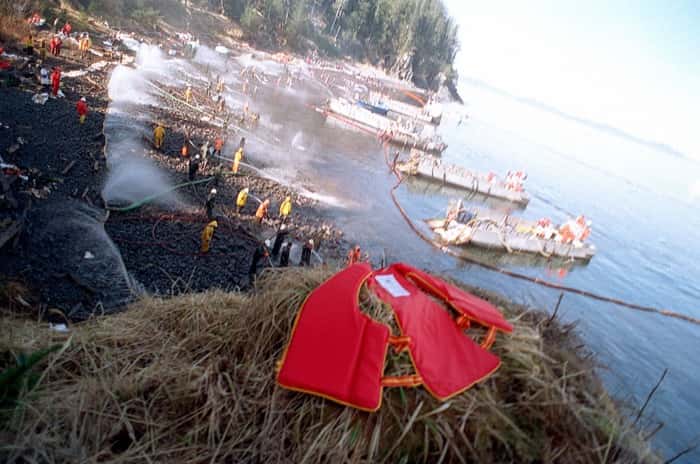
It's hard to overstate the scale of what happened on March 24, 1989, when the Exxon Valdez oil tanker ran aground on a reef in Prince William Sound, Alaska. A massive 11 million gallons of crude oil poured into the ocean, creating one of the most devastating environmental disasters ever recorded. The damage to marine life and surrounding ecosystems was nothing short of catastrophic.
The ecological toll was staggering — an estimated 250,000 seabirds perished, along with thousands of otters, seals, and fish. Cleanup operations dragged on for years, racking up costs in the billions of dollars and igniting fierce debates over corporate accountability and the need for stronger environmental safeguards. In direct response to the Exxon Valdez catastrophe, lawmakers passed the 1990 Oil Pollution Act. This sweeping legislation established comprehensive regulations designed to bolster spill prevention and enhance response capabilities, with the goal of minimizing both the probability and severity of future oil spills.
Key Facts:
- When it ran aground, the Exxon Valdez tanker carried over 50 million gallons of crude oil. Eight of the 11 cargo holds were punctured and drained in about 3 hours and 15 minutes.
- More than 1,300 miles of Alaskan coastline bore the brunt of the spill — a reach only exceeded by the 2010 Deepwater Horizon oil spill.
- Years of cleanup work followed, and the long-term environmental consequences remain visible decades later. The remote nature of Prince William Sound made recovery efforts especially complex.
- In the wake of the disaster, Congress passed the Oil Pollution Act of 1990, tightening regulations governing oil transport.
- The Exxon Valdez tragedy stands as a sobering reminder of the serious environmental hazards tied to oil transportation, highlighting the urgent necessity for rigorous safety protocols and a deep commitment to protecting the natural world.