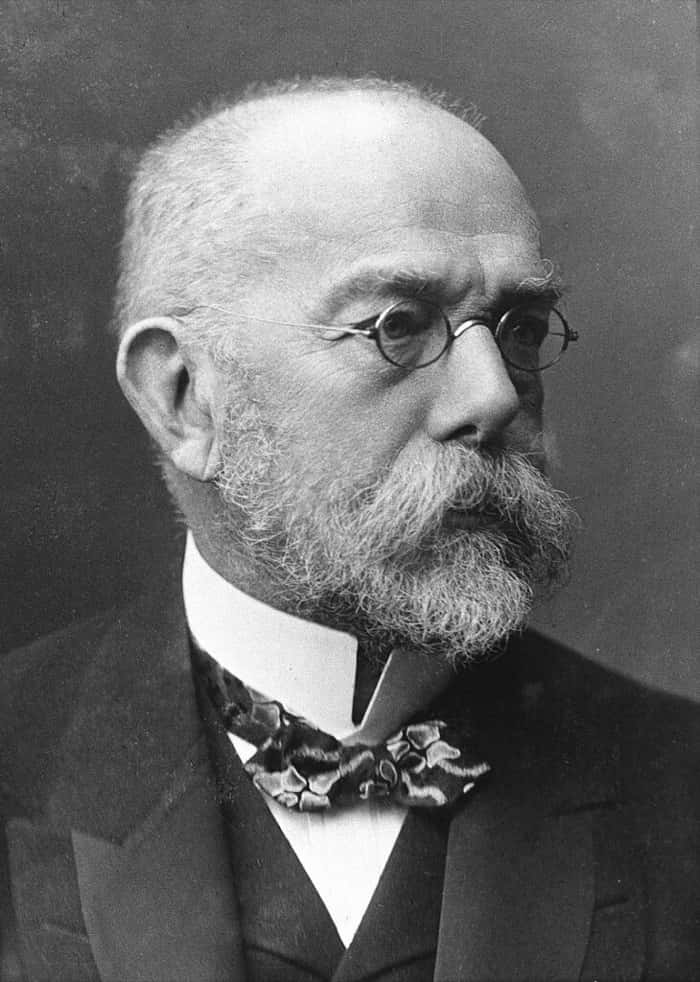
Picture a world where being diagnosed with tuberculosis meant virtually no hope of survival. That dark chapter in human history was fundamentally transformed on March 24, 1882, thanks to the pioneering work of German scientist Robert Koch. His identification of Mycobacterium tuberculosis as the agent responsible for the disease didn't just change how we understood tuberculosis — it validated germ theory and reshaped the entire landscape of modern medicine. The diagnostic tools and therapeutic approaches that emerged from Koch's work have gone on to rescue millions from an otherwise devastating fate.
Tuberculosis ravaged populations across the globe during this era, cutting down millions of people. Through meticulous and exhaustive investigation, Koch uncovered the bacterial culprit behind the illness, opening doors to better methods of detection and treatments capable of saving lives. The sheer magnitude of his contribution to science was recognized when he received the 1905 Nobel Prize in Physiology or Medicine, forever cementing his place as a trailblazer in medical history.
Fun Facts:
- Before Koch's discovery, tuberculosis was considered hereditary rather than infectious.
- What makes Koch's achievement even more remarkable is that germ theory itself was fiercely contested during this period. By providing concrete evidence, his research represented a major leap forward in grasping how infectious diseases actually work.
- Koch developed new staining techniques to visualize bacteria under a microscope.
- His research laid the groundwork for the development of the vaccine and antibiotics.
- The impact of Koch's discovery on medical science cannot be overstated. It turned tuberculosis from a disease that almost certainly killed into one that could be both prevented and treated. Standing as a foundational pillar of microbiology and infectious disease research, his contributions have preserved countless lives and continue to fuel breakthroughs in the field to this day.