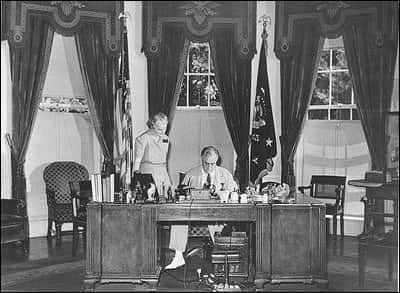
On March 23, 1929, the White House took a bold step into the modern age with the installation of its very first presidential desk telephone. It was a groundbreaking occasion — marking the first time a sitting president could pick up a phone right from his own desk, symbolizing how deeply technology was beginning to shape the way government operated.
Prior to 1929, you wouldn't have found a telephone anywhere near the Oval Office or the presidential workspace. Presidents relied instead on written notes, telegrams, and in-person conversations to get things done. That all changed when a phone was placed directly on Hoover's desk, signaling a dramatic embrace of real-time communication within government operations. This move was no accident — it was deeply shaped by Hoover's engineering background, which drove him to champion technological innovations and push forward modernization policies throughout his administration.
The introduction of telephone technology fundamentally transformed presidential business. Suddenly, conversations with advisors, government officials, and foreign leaders could happen instantly. The ability to respond to crises in real time and make rapid decisions became possible, establishing a precedent that every administration after would follow. What might seem like a small change — a phone on a desk — actually represented a profound pivot toward integrating technology into both political governance and the everyday rhythm of presidential duties.
By placing that telephone on his desk, President Hoover didn't just make a practical upgrade — he set a historical milestone that launched the era of modernized presidential communication systems. From that point forward, the presidency evolved fundamentally toward direct, instantaneous connectivity, paving the way for developments like the Situation Room, a secure facility for crisis management, secure phone lines designed for confidential communication, and eventually digital communication tools. Because Hoover established this standard early during his time in office, the expectation of instant communication access has since become an essential requirement for every modern president.