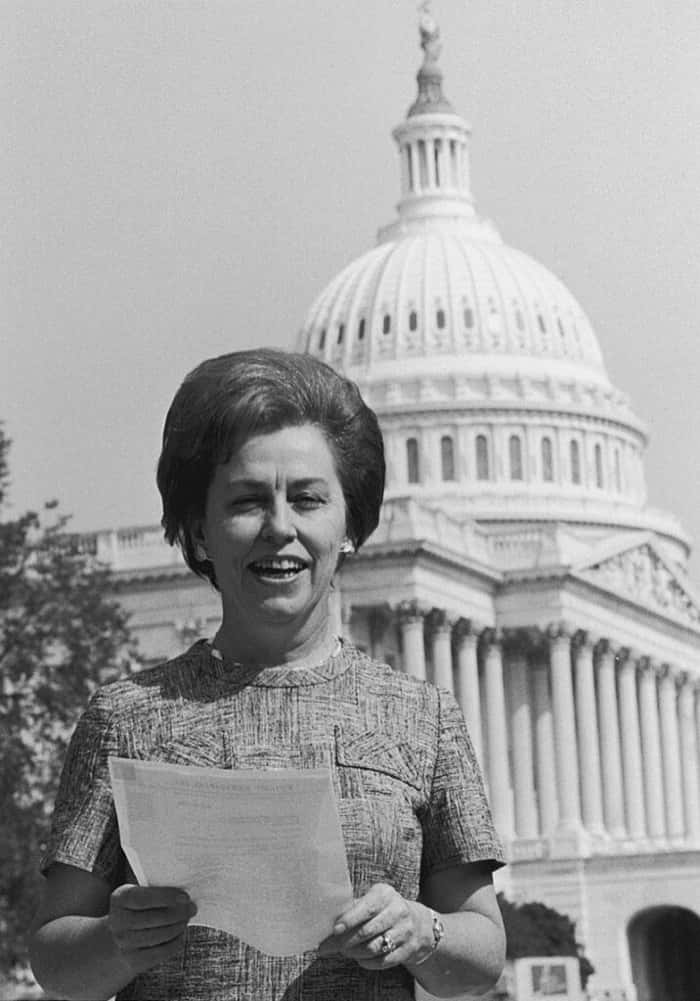
On March 22, 1972, the U.S. Senate approved the Equal Rights Amendment (ERA), marking the culmination of its passage through Congress and sending it to the states for ratification. Nearly 50 years in the making, this landmark amendment sought to ensure that all Americans would enjoy equal legal rights, irrespective of sex.
The story of the ERA stretches back to 1923, when Alice Paul and Crystal Eastman — both pivotal voices in the women's suffrage movement — first put forward the amendment. Their vision was at once straightforward and radical: to embed gender equality directly into the U.S. Constitution. For decades, though, the proposal languished in Congress, stalled by political resistance. That changed as the women's movement surged forward during the 1960s, generating fresh energy and broader support for the cause. The turning point came in 1971, when Representative Martha Griffiths steered the amendment to passage in the House of Representatives. The Senate completed the process on March 22, 1972, approving the ERA by an overwhelming margin. At its heart, the amendment declared: "Equality of rights under the law shall not be denied or abridged by the United States or by any State on account of sex."
With congressional approval secured, the Equal Rights Amendment (ERA) faced its next hurdle: winning ratification from 38 states. Early progress was encouraging — 22 states signed on within the first year alone. But resistance quickly took shape. Opponents raised concerns about potential unintended consequences, warning that the amendment might result in women being drafted into the military or strip away certain legal protections they already held. Leading the charge against the ERA was conservative activist Phyllis Schlafly, who galvanized opposition nationwide. When the ratification deadline arrived in 1982, the amendment had fallen three states short of the 38 needed to make it law.
Even though the Equal Rights Amendment (ERA) has yet to be enshrined in law, the push to bring it across the finish line continues. Recent developments have offered renewed cause for optimism: Nevada ratified the amendment in 2017, Illinois followed in 2018, and Virginia did the same in 2020. These late ratifications have sparked fresh debate over whether the original ratification process remains legally valid, breathing new life into conversations about the ERA's future and the possibility that it may one day be enacted.