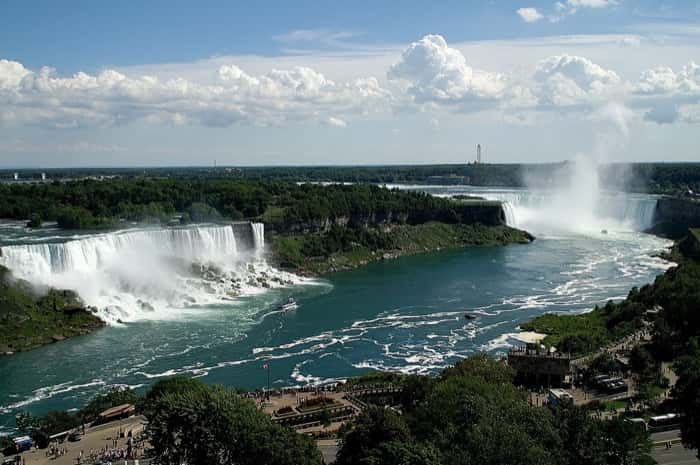
Something remarkable happened on March 22, 1903 — one of nature's most powerful spectacles went quiet. For a full 30 hours, Niagara Falls was reduced from its thunderous cascade to little more than a gentle stream, exposing the rocky cliffs and riverbeds that normally lay hidden beneath the torrent.
So what caused this extraordinary event? Engineers had constructed a cofferdam upstream, deliberately cutting off the water supply to the falls on a temporary basis. The purpose behind this intervention was a research initiative focused on evaluating the significant erosion patterns affecting the falls — a growing concern that demanded attention. Beyond studying erosion, researchers also investigated possibilities for hydroelectric energy generation that could be pursued without sacrificing the falls' natural beauty, ultimately contributing to the development of more sustainable energy solutions.
With the water diverted, workers found themselves with an unprecedented chance to examine rock structures that were normally buried beneath the rushing current and to address erosion damage along the riverbed. An eerie silence settled over Niagara Falls, and the exposed landscape offered a view no one had ever seen before — at no point in recorded history had the falls stopped flowing. Word spread quickly, and crowds descended on Niagara Falls, eager to witness this extraordinary occurrence firsthand. Visitors took in the spectacle of the dry falls while photographers documented the stark beauty of the bare cliff faces. The deliberate stoppage stood as a powerful reminder of how fragile the balance truly is between preserving natural beauty and humanity's exploitation of natural resources.
One major takeaway from the project was clear: managing Niagara Falls effectively required cooperation between both the United States and Canadian authorities. It also set a new standard for balancing three often-competing priorities — tourism activities, conservation measures, and industrial advancement.
The temporary drying of Niagara Falls in 1903 endures as one of the most fascinating chapters in the story of this iconic landmark. It showcased humanity's capacity to harness and control even the mightiest natural forces, while simultaneously sparking greater awareness about the importance of managing natural resources sustainably. To this day, Niagara Falls draws millions of visitors each year, standing as an enduring testament to both nature's beauty and its extraordinary power.