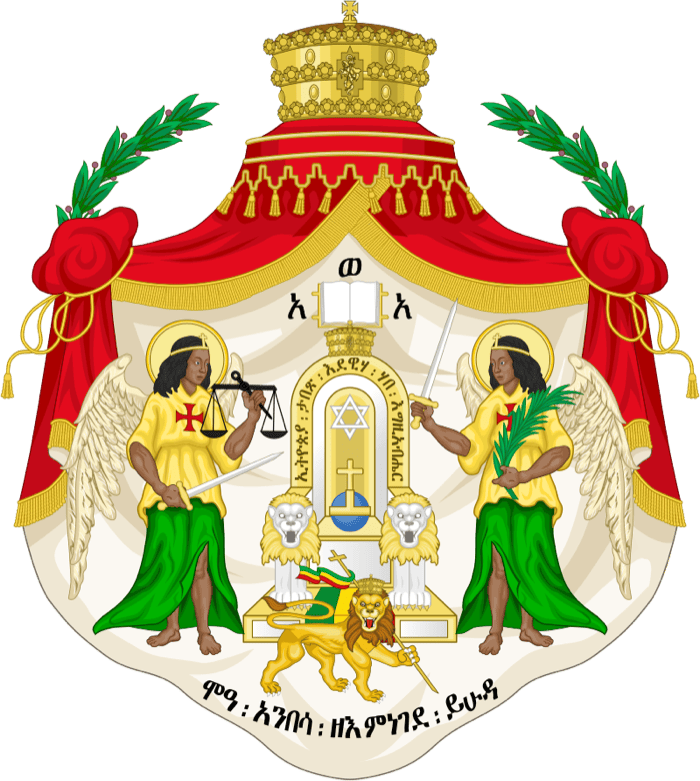
March 21, 1975, marked a seismic shift in one of the world's oldest continuous political traditions. On that day, the Derg—a military junta that had deposed Emperor Haile Selassie the year before—formally dissolved the monarchy and proclaimed Ethiopia a socialist state. This brought to a close a dynasty spanning nearly 3,000 years, one whose rulers traced their lineage all the way back to the biblical King Solomon and the Queen of Sheba. Haile Selassie, the last emperor in this extraordinary chain, had held power since 1930.
Ethiopia was already unraveling by the early 1970s, battered by economic hardship, famine, and waves of student protests that steadily eroded Selassie's authority. The breaking point came in September 1974, when a cadre of military officers calling themselves the Derg staged a coup, placed the emperor under arrest, and took control of the government. Over the following months, they tightened their grip on power, but their boldest act came on March 21, 1975, when they swept away the monarchy entirely. Royal family members were thrown into prison, their lands were nationalized, and Ethiopia was officially realigned as a socialist state with ties to the Soviet Union. Haile Selassie himself died under mysterious circumstances later that year while still in detention—a death that signaled the definitive end of an era for the nation.
What followed the monarchy's collapse was a descent into widespread bloodshed. Under the leadership of Mengistu Haile Mariam, the Derg unleashed the infamous Red Terror campaign, systematically killing thousands of political opponents. Ethiopia suffered through civil war, famine, and authoritarian rule until the Derg regime was finally toppled in 1991.
Today, Ethiopia operates as a federal republic, yet the shadow of its imperial past has never fully faded. Haile Selassie continues to command deep reverence in many circles, particularly among followers of the Rastafarian movement, who view him as a divine figure.