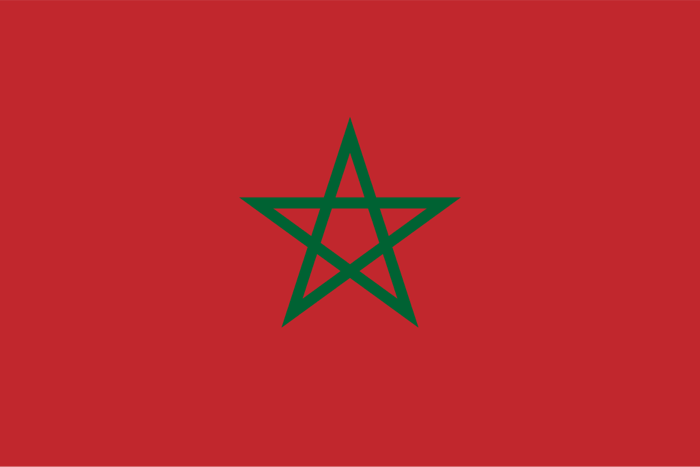
Morocco's journey to sovereignty reached its defining moment on March 2, 1956, when the French-Moroccan Agreement was signed, bringing an end to 44 years under colonial French rule. This landmark accord represented the fulfillment of a deeply held national aspiration — the right to chart an independent course as a sovereign state. Across Morocco, jubilant celebrations erupted as citizens welcomed a transformative new chapter built on self-governance, cultural renaissance, and collective unity. The hard-won restoration of independence stood as a testament to years of persistent resistance and struggle, underscoring the remarkable determination and resilience that the Moroccan people had demonstrated in their pursuit of freedom.
Important Facts:
- As one of the first African nations to achieve independence, Morocco set a powerful precedent that galvanized other colonies in their own fights for liberation.
- Morocco's path to sovereignty stood apart from many independence movements because it relied primarily on negotiation rather than armed conflict. King Mohammed V played an indispensable role in this historic process, serving as the central figure who persuaded France to relinquish control and recognize Moroccan sovereignty.
- Independence unfolded in stages rather than all at once. France formally acknowledged Morocco's independence in March 1956, but Spain continued to maintain control over certain territories until April 1956 and, for specific regions, as late as April 1958.
- King Mohammed V had been forced into exile by the French in 1953, and his triumphant return became a powerful symbol of the Moroccan people's victory. His homecoming was eagerly awaited by the nation, and his leadership of the newly independent country laid the groundwork for sweeping modernization.
- Morocco's successful bid for sovereignty effectively lit the fuse for African decolonization. Emboldened by its example, numerous African nations intensified their own independence movements, and within the following decade, more than 30 African countries broke free from European colonial powers.
- French authority over Morocco dated back to 1912, when the Treaty of Fez formalized the French Protectorate. The 1956 French-Moroccan Agreement undid this arrangement entirely, restoring full sovereignty to the Moroccan people.
- The achievement of independence represented a pivotal chapter in Africa's broader decolonization story and a profound victory for Moroccans everywhere. To this day, March 2 is celebrated as a national holiday in Morocco — a joyous occasion that honors the nation's enduring resilience and unwavering determination.