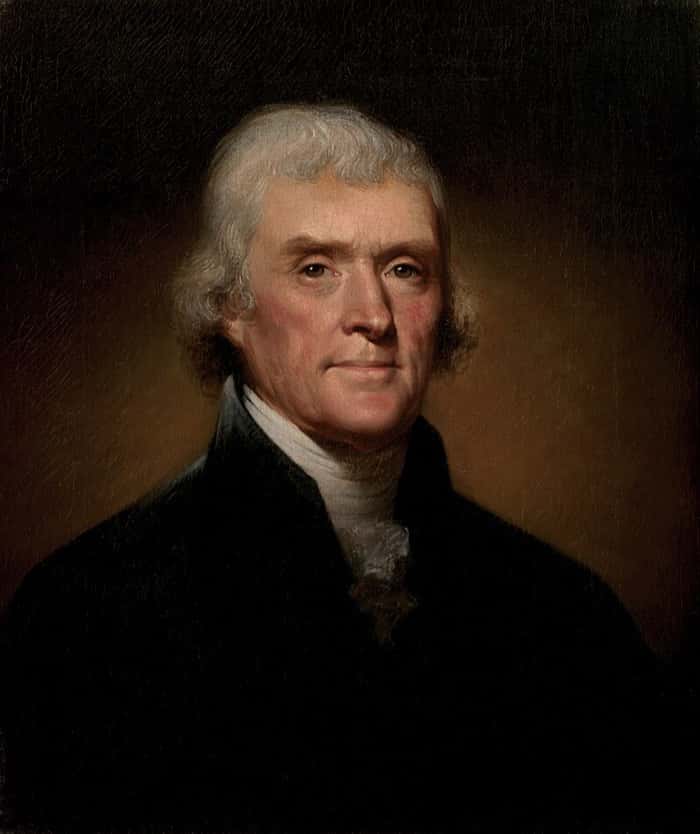
On March 2, 1807, a landmark piece of legislation made its way through the U.S. Congress: the Act Prohibiting the Importation of Slaves. While this law didn't abolish slavery as an institution—that would remain legal for decades to come—it drew a hard line against bringing enslaved people into the country from abroad. It stood as a pivotal moment in the broader struggle against slavery. That said, enforcement proved woefully inadequate, and the illegal trafficking of enslaved people persisted for years afterward. Adding a layer of contradiction to the story, President Thomas Jefferson—a man who publicly denounced the slave trade while simultaneously holding enslaved people in bondage—put his signature on the bill.
Important Facts:
- It was the first of its kind. The U.S. stood among the earliest nations to criminalize the importation of enslaved people. Just one day later, on March 3, 1807, Britain enacted comparable legislation.
- The law officially took effect on January 1, 1808, but that didn't stop determined traders from circumventing it. Smuggling routes flourished, particularly through Spanish-controlled Florida and Texas.
- Jefferson's complex role: It was President Thomas Jefferson who signed this bill into law. Despite his vocal opposition to the slave trade, he kept enslaved people at his Monticello estate throughout his life.
- Harsh penalties (on paper): On the books, the consequences looked severe—ships could be seized, and fines climbed as high as $20,000, an enormous sum for the era. In practice, though, lax enforcement meant illegal trading carried on largely unchecked.
- Not the end of slavery: Crucially, this legislation only targeted new imports from overseas. Slavery itself persisted as a legal institution in the U.S. until the 13th Amendment finally abolished it in 1865.
- Final ship captured: The Clotilda, recognized as the last known illegal slave ship to reach the U.S., landed in Alabama in 1860—over 50 years after the ban had been enacted.