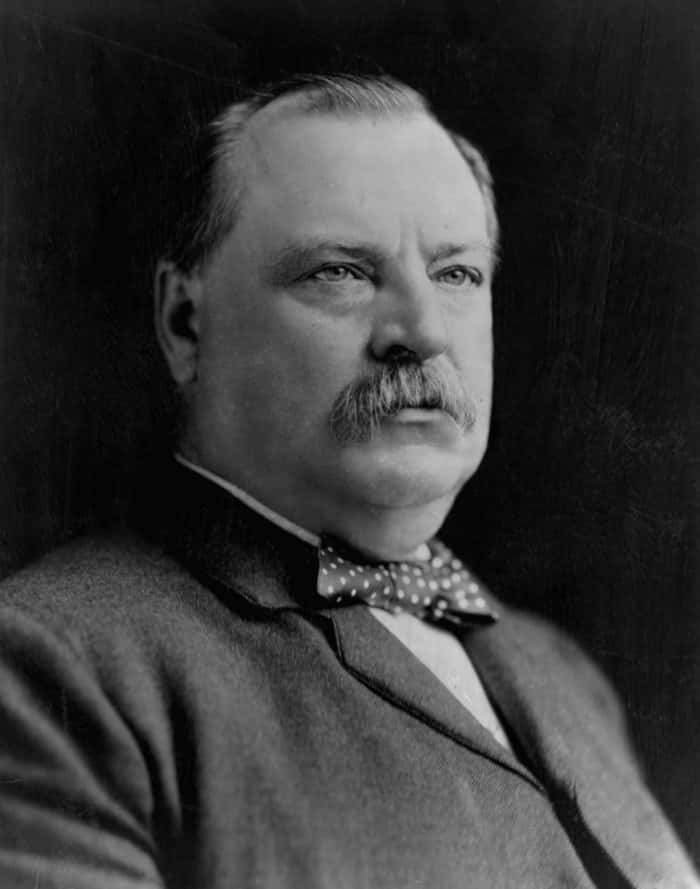
On March 18, 1837, in Caldwell, New Jersey, a future two-time president entered the world — Stephen "Grover" Cleveland. As the 22nd and 24th president of the United States, Cleveland holds the distinction of being the first of two U.S. presidents to win non-consecutive terms, claiming victory in both the 1884 and 1892 elections. A fierce opponent of corruption and a devoted advocate for fiscal responsibility, he championed limited government intervention throughout his political career. Beyond the political arena, Cleveland was a man of straightforward pleasures — he loved a quality cigar and a friendly poker game with companions. His impact on American policy was substantial, ranging from his crusade against corruption to his steadfast defense of the gold standard.
Fun Facts about Grover Cleveland:
- Until Donald Trump, Cleveland stood alone as the only person to serve as president in non-consecutive terms, holding office as both the 22nd and 24th U.S. presidents.
- A tireless champion of civil service reform, Cleveland built his reputation on an unwavering opposition to political corruption. His dedication to rooting out corruption offers an enduring reminder that meaningful political reform is possible.
- No previous president vetoed as many bills as Cleveland did, frequently striking down legislation he viewed as wasteful government spending. This commitment to fiscal discipline reinforced public confidence in his strong leadership.
- The Panic of 1893, one of the most severe economic depressions in U.S. history, cast a long shadow over his second term. Even so, Cleveland's determination and resilience in navigating the country through such turbulent times remain truly inspiring.
- A firm believer in the gold standard, Cleveland stood squarely against the free silver movement.
- Integrity, reform, and resilience — these define Cleveland's lasting legacy. His time in office established a powerful precedent for strong executive leadership and continues to stand as a captivating chapter in American political history.
- Cleveland died in 1908 at the age of 71.