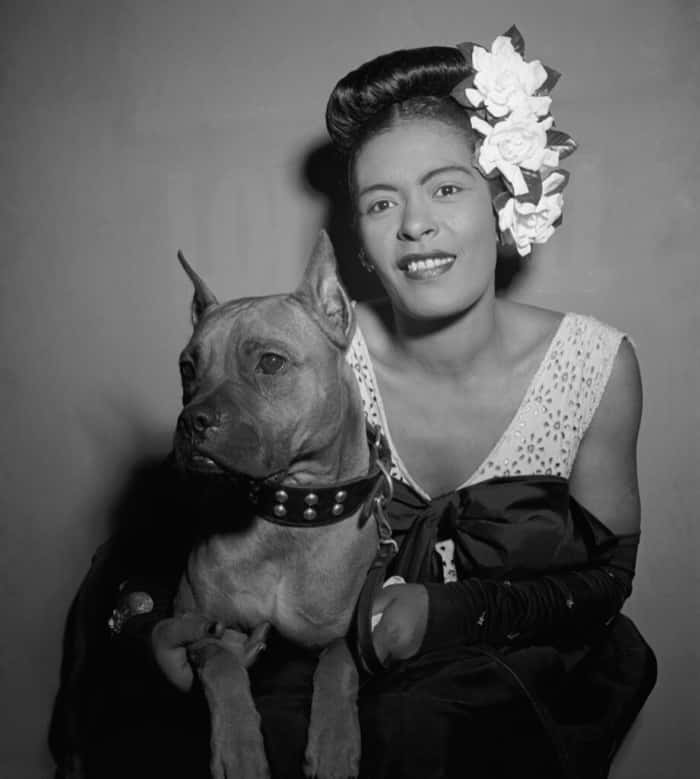
Known to the world as Lady Day, Billie Holiday stands as a towering figure in jazz history. Yet beneath the iconic status lay a life of extraordinary complexity — something her closest friends knew all too well, even if most people never fully grasped it. Her music served as a window into that turbulent existence, with deeply moving blues ballads that channeled her personal pain and hardship. Take "Strange Fruit," a haunting piece inspired by witnessing a lynching from the window of a train. Beyond her artistry, she waged a relentless struggle against heroin addiction — a battle that would eventually claim her life. As "Strange Fruit" powerfully demonstrates, Lady Day was no stranger to some of the most harrowing chapters in American history.
On March 16, 1948, Billie Holiday walked out of prison a free woman, having completed her sentence for heroin possession. She had served her time at Alderson Federal Prison Camp in West Virginia. The fallout from that conviction, however, dealt a devastating blow to her career: she was stripped of the ability to perform at any venue serving alcohol. For someone riding the crest of her greatest professional success, this restriction fundamentally reshaped the trajectory of her life.
It's hard to overstate the dual legacy she left — both in popularizing jazz music and in the broader narrative of the emerging war on drugs. Her drug conviction played directly into longstanding racist stereotypes about Black individuals and addiction, even as comparable struggles among other demographic groups went largely unacknowledged. The 1947 conviction of Billie Holiday cast a shadow over Black artists more broadly, reinforcing the misguided notion that locking people up was the proper answer to drug-related problems. If there was any consolation, it was that she served her time in a minimum-security facility — one where, incidentally, a once-famous cooking show star was also doing time for insider trading.