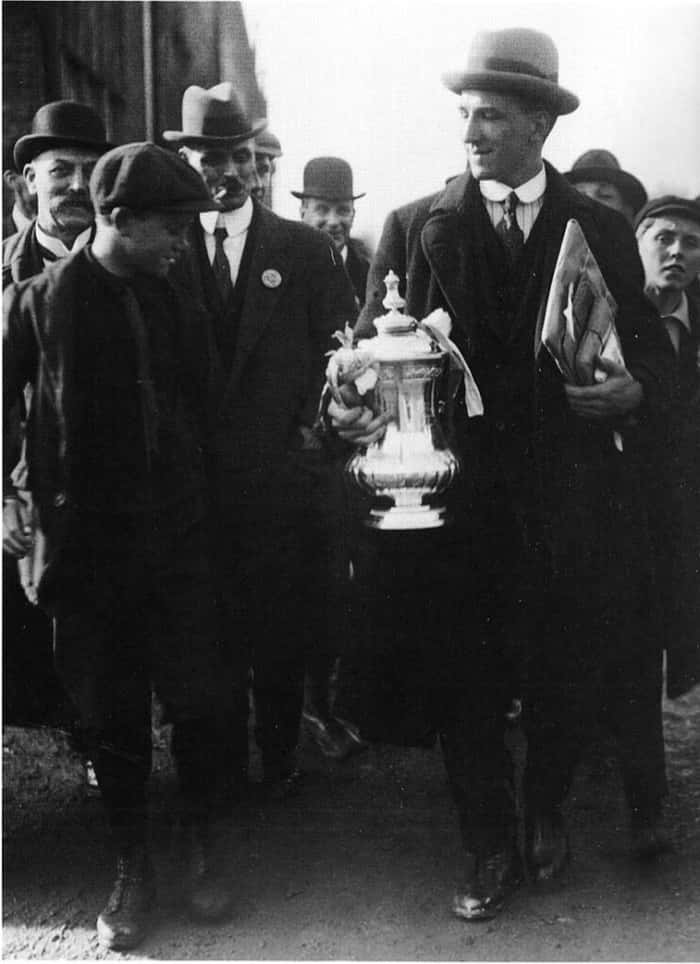
London witnessed something truly remarkable on March 16, 1872 — the very first English FA Cup Final, an event that would forever reshape the sporting landscape. This groundbreaking match didn't just kick off a tournament; it laid the groundwork for modern football as we know it and launched what remains the oldest national football competition on the planet, captivating countless generations of fans along the way.
The Football Association (FA) had established the Laws of the Game back in 1863, yet it took until 1871 for them to agree on creating a competition open to every affiliated club. Drawing inspiration from knock-out formats used in cricket, Alcock's vision for a football league proved to be a transformative moment for the sport. What made this competition truly special was its democratic structure — clubs from every level of the game could enter, offering even the smallest teams a genuine shot at glory. That inaugural edition featured 12 teams, with Wanderers and Royal Engineers ultimately battling it out for the championship trophy, perfectly illustrating the FA Cup's inclusive spirit.
Cricket ground the Kennington Oval served as the unlikely venue for this historic First FA Cup Final. Roughly 2000 spectators packed in to witness a thrilling clash between two sides that could hardly have been more different in their backgrounds and playing philosophies. Royal Engineers brought a reputation for precise passing and disciplined, methodical play, while The Wanderers assembled a roster of former public school athletes. This fascinating clash of styles and identities only heightened the drama surrounding the occasion. It was Morton Betts who ultimately proved decisive, netting the match's solitary goal to hand the Wanderers a landmark 1-0 triumph.
The victorious Wanderers took home the 18-inch silver trophy, a fitting emblem of their achievement. R.W.S. Vidal provided the assist for M.P. Betts' match-winning strike, though notably, Betts competed under the alias A.H. Chequer. The Engineers, despite entering as favorites, found themselves hampered — particularly after Lieutenant Gresswell suffered a fractured collarbone. By claiming this inaugural title, the Wanderers also secured their place in the 1873 championship game.
That triumph by the Wanderers in the first FA Cup Final merely opened the door to what would become one of sport's richest and most celebrated traditions. Over the past 150 years, the FA Cup has produced some of the most unforgettable moments in all of sports. To this day, both amateur and professional English clubs take immense pride in competing in the world's oldest cup competition. Yet it all traces back to that fateful day in London in 1872, a match that permanently altered football's trajectory. The Wanderers' victory simultaneously set up a compelling 1873 championship game, where they would face the challenge of defending their newly won title against a fresh wave of contenders.