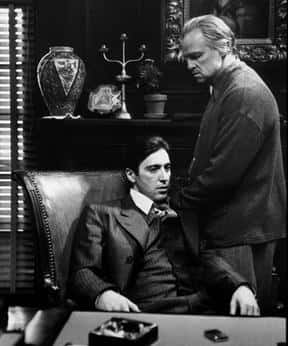
On March 15, 1972, NYC witnessed the premiere of The Godfather, a film built on a screenplay that Francis Ford Coppola and Mario Puzo crafted together, drawing from Puzo's 1969 best-selling novel. Far more than a mob saga, the film delivers a striking critique of America's power structure, peeling back layers of corruption and brutality with an unflinching, thought-provoking narrative.
Spanning the years 1940 to 1950, the story charts the Corleone family's rise as they broaden their criminal empire while fending off rival factions and the pressures of law enforcement. At the center stands Don Vito Corleone, the family patriarch — a fierce yet deeply beloved father whose loyalty to family defines his identity. Through a carefully maintained web of collected favors and threats, he secures his dominance over both his household and the criminal underworld. When Vito becomes the main target of an assassination attempt, his son Michael Corleone — until then a reluctant outsider — is thrust into the role of protagonist.
The transformation Michael undergoes, shifting from a bystander to a ruthless boss, serves as a mirror for America's evolving perspective towards power following the Second World War. Through a series of calculated decisions and ruthless actions, his journey sparks internal conflicts within the family — most notably with his impulsive older brother, Sonny, whose recklessness ultimately leads to his downfall. For Michael, keeping the family stable is essential to their existence, even if it means compromising their happiness. His wife, Kay, watches in alarm as deception reshapes him into a mafia leader, someone utterly unrecognizable from the man she thought she knew.
Beyond its gripping plot, The Godfather stands as a captivating exploration of ambition, power, and the deeply personal costs of seeking dominance in both the family and the criminal worlds. Michael's turbulent path — marked by clashes with Sonny, whose impulsive nature proves to be his undoing — strikes an emotional chord with audiences. Though it drew criticism for depicting the mafia, the film was celebrated for its complexity and depth. Its massive commercial success paved the way for two sequels: The Godfather Part II (1974) and The Godfather Part III (1990). The premiere itself marked a significant moment in American cinema, with the film going on to earn three Academy Awards, including Best Picture. To this day, it continues to resonate with audiences, binding them to the rich legacy of cinematic storytelling.