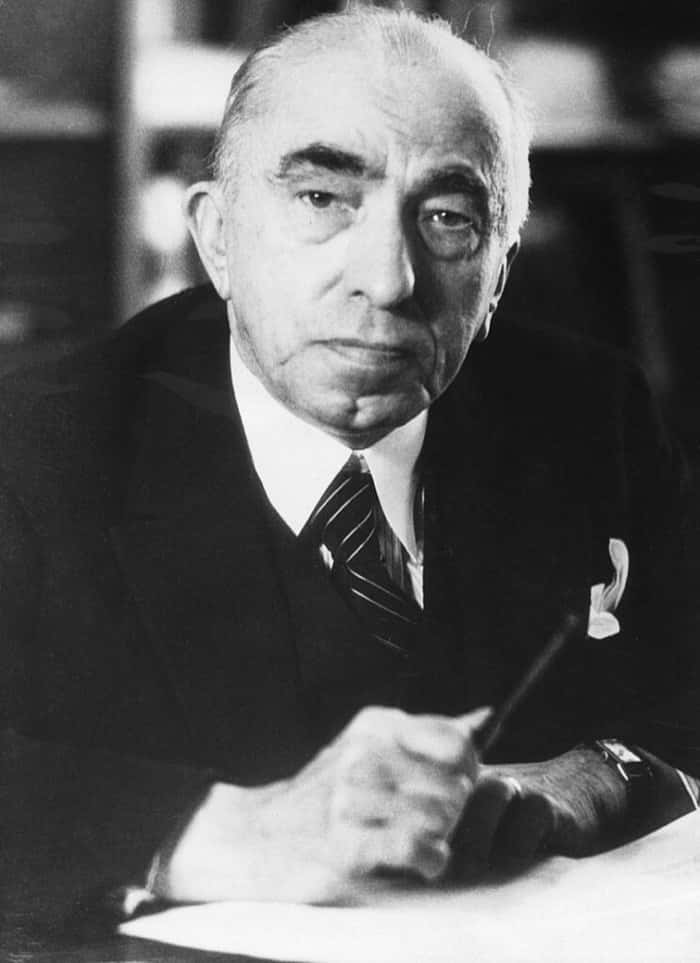
On March 15th, 1943, Czech President Emil Hácha was called to Berlin by Hitler for what was framed as a discussion about Czechoslovakia's future. What awaited him was anything but a negotiation. Hácha was forced to wait for hours before finally being granted an audience with the dictator. When the meeting did take place, Hitler delivered a chilling ultimatum: German troops were already in position to march into Czechoslovakia. Hácha was given a stark choice — either the invasion would unfold swiftly and without resistance, or it would be carried out with extreme violence and wholesale destruction. The vivid depictions of the carnage Germany intended to unleash were so overwhelming that Hácha suffered a heart attack during the encounter. In the aftermath, he agreed to "voluntarily" surrender his nation's destiny to the Führer.
This dramatic confrontation was far from the beginning of Germany's designs on Czechoslovakia. Driven by its ambitions for a world empire, Germany targeted Czechoslovakia alongside several other nations — but rather than launching a single, sweeping invasion, it pursued a calculated strategy of dismantling the Czechoslovak government step by step. Each move was carefully staged to chip away at the country's sovereignty while offering justifications palatable to the international community.
The groundwork had been laid earlier with Hitler's annexation of the Sudetenland, a border region of Czechoslovakia home to a significant German-speaking population. Hitler's rationale was that he was shielding these ethnic Germans from what he characterized as a threat from the Czechs. While this seizure dealt a severe blow to Czechoslovakia's defensive capabilities, the international community offered little in the way of resistance or opposition.