The year 1943 marked a turning point in the Second World War — things were no longer going the way the Nazis had hoped. Facing growing demands for resources, they intensified their campaign to "Aryanize" Jewish assets, a euphemism for the outright seizure of property and wealth belonging to Jewish communities. This brutal policy reached a devastating crescendo on March 13, 1943, when the Nazis moved to liquidate the ghetto in Krakow, home to a substantial Jewish population.
What followed was a nightmare that unfolded over 4 days. SS troops, working alongside local police, killed approximately 2,000 Jewish residents within the ghetto itself. Another 2,000 people were forcibly relocated to the Plaszow camp, where they were subjected to forced labor. Roughly 3,000 more were transported to the Auschwitz concentration camp, where only a fraction would survive — just 50 women and 499 men were chosen for forced labor. Every other person sent there perished in the gas chambers.
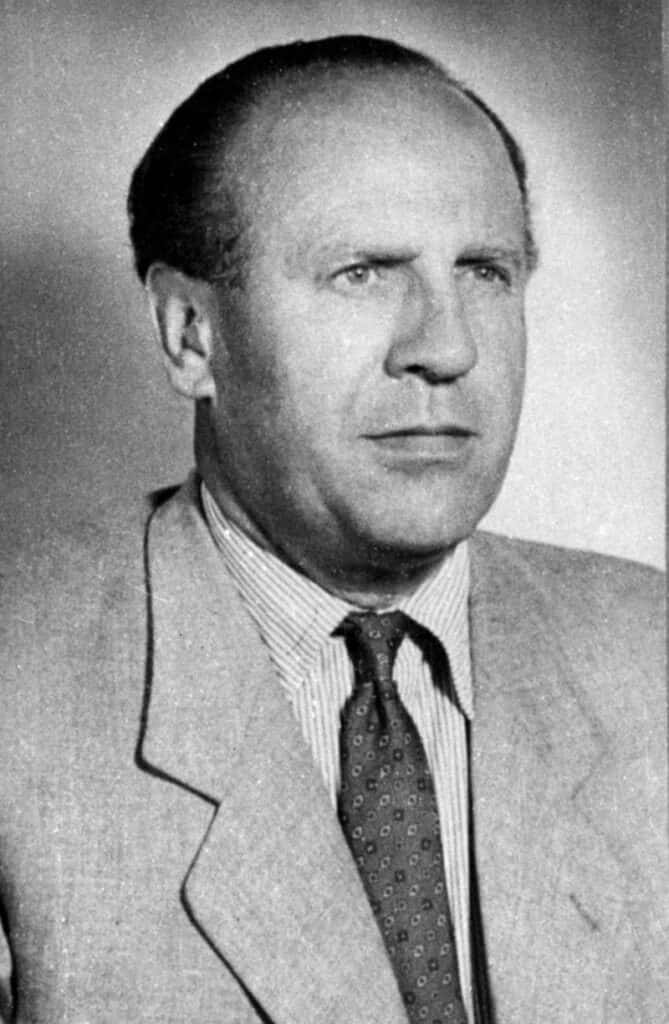
Yet amid this overwhelming horror, there emerged an unlikely figure of humanity. Oskar Schindler, himself a member of the Nazi Party, had originally come to Krakow with the intention of profiting from the Aryanization program, acquiring factories that had been taken from Jewish owners. But when word of the ghetto's impending liquidation reached him through his party connections, he made a fateful choice. He sheltered his Jewish workers inside his factory under the guise of "overtime," effectively hiding them from the SS and their deadly roundup. This was only the beginning — Schindler continued devising similar schemes to rescue as many Jewish lives as possible, all while quietly sabotaging Nazi Germany's ammunition supply. Following his death, Israel honored him with the title of "Righteous among the Nations."