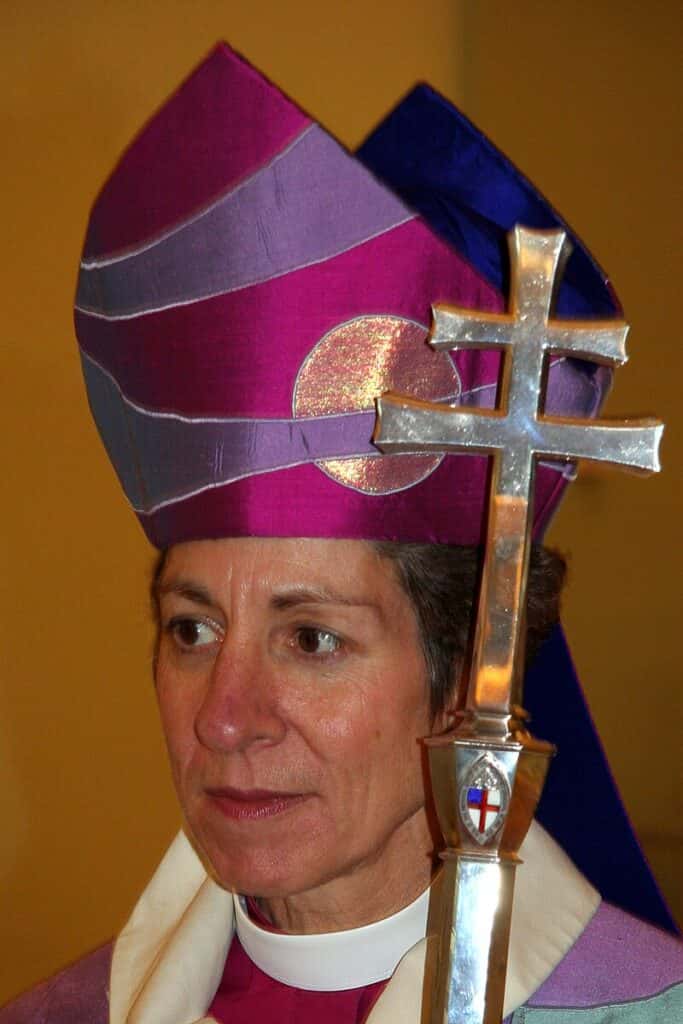
History took a dramatic turn on March 12, 1994, inside the walls of Bristol Cathedral. After 460 years of exclusively male priesthood, the Church of England broke with tradition in the most profound way imaginable — by ordaining women as priests for the very first time. Thirty-two women, each displaying remarkable courage, stepped up to claim their rightful place at the altar, shattering centuries of convention. Their resolve and bravery continue to stand as a powerful source of inspiration.
The ceremony was led by Bishop Barry Rogerson, with the women ordained in alphabetical order. This meant that Angela Berners-Wilson earned the distinction of becoming the Church of England's first female priest. Among the group, Karen MacKinnon, just 30 years old, was the youngest participant, while the eldest was 69. Coming from a wide range of backgrounds and ages, these women stood together as living symbols of a Church reimagining its future — one built on inclusion for all.
Getting to this watershed moment was far from easy. The question of whether women should be ordained had fractured the Church for decades. On one side, traditionalists maintained that the priesthood was inherently a male vocation; on the other, reformers championed equality and broader representation. The decisive moment arrived in 1992, when the General Synod of the Church of England cast its historic vote in favor of allowing women into the priesthood. That groundbreaking decision opened doors to even greater milestones down the road. In 2015, Libby Lane made history as the first female bishop in the Church of England, and Rachel Treweek soon followed, becoming the first female diocesan bishop later that same year.