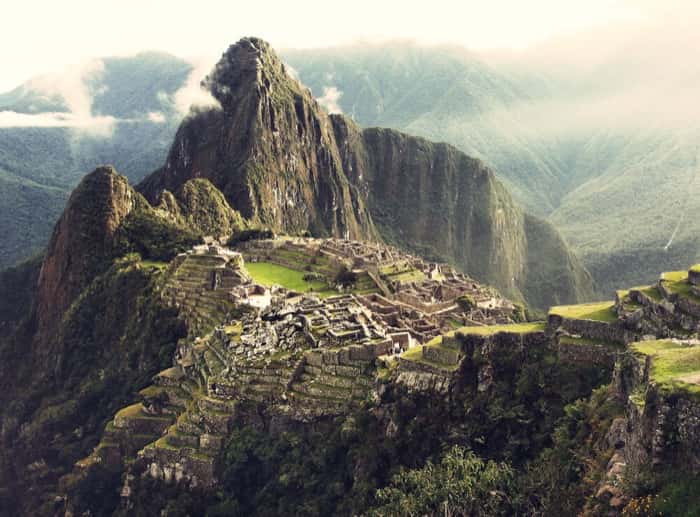
It was on the 24th of July 1911 that American archeologist Hiram Bingham first set foot among the ruins of the Inca settlement known as Machu Picchu — a place that would go on to become one of the most visited tourist destinations on the planet.
Nestled in a hilly region northwest of Cuzco, Machu Picchu was said to have served as a summer retreat for Inca chiefs, whose civilization was nearly entirely destroyed during the Spanish invasion of the 16th century. Today, it holds the distinction of being a World Heritage Site.
The Inca presence in this remote area remained hidden from the outside world for hundreds of years, known only to the peasants living in the surrounding countryside. Everything changed in the summer of 1911, when Bingham, accompanied by a small group of explorers, ventured out in search of the mythical "hidden" cities of the Incas.
Making their way from Cuzco to the Urubamba valley by foot and mule, Bingham and his party were told by a local farmer about ruins sitting atop a nearby mountain. The name Machu Picchu itself came from these farmers — in the Quechua language of their origin, it translates to "ancient peak."
On the 24th of July, the very next day, Bingham made the grueling climb to the crest through cold and drought conditions. Near the top, he encountered a small group of farmers who guided him the rest of the way. It was an 11-year-old child who ultimately led Bingham to his first glimpse of the elaborate stone terraces marking the entrance to Machu Picchu.
The discovery didn't stay quiet for long. Hiram Bingham documented his finding in a best-selling book, which sparked a wave of excitement and sent hundreds of visitors streaming into Peru, eager to join him on the journey along the Inca path.
Stretching more than 5 kilometers in length, the site features more than 3,000 steps that link its many levels together. Each year, over 300,000 visitors make the pilgrimage to Machu Picchu, braving crowds and landslides alike to watch the sunset wash over the towering stone structures of the "Sacred City" and to stand in awe of the mysterious grandeur of what has been dubbed "the Seven Wonders of the World."