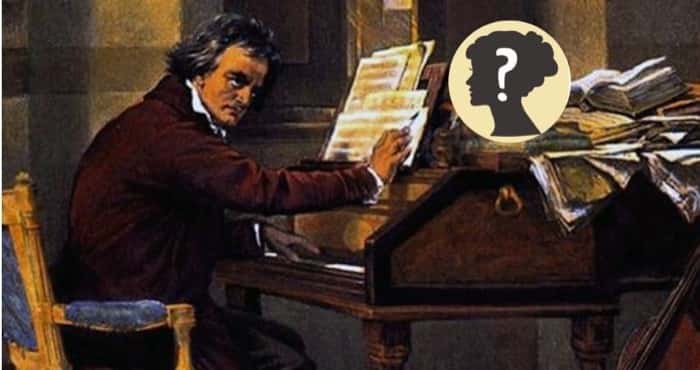
Most people instantly recognize the enchanting melody of "Fur Elise," and it all began on April 27, 1810, when German composer and pianist Ludwig Van Beethoven put this iconic piece to paper. Widely regarded as one of Beethoven's most celebrated compositions, the work is all the more remarkable because Ludwig created it while nearly deaf. He experienced tinnitus — hearing sounds generated within his own body — yet was unable to perceive external noise. After completing the piece, Ludwig Van Beethoven tucked it away in a drawer, where it remained untouched until 1822, when he made minor revisions before storing it once again.
The true purpose behind the song remains a mystery. Researchers have speculated that Ludwig may have composed the score as a tribute to a close friend who held a significant place in his life. Three women have been identified as possible dedicatees, though definitive proof pointing to any one of them has never surfaced.
Translated from German, "Fur Elise" simply means "For Elise." Structurally, the composition follows an A-B-A-C-A pattern, opening with refrain A, which reappears between the contrasting theme sections B and C. Many consider it the most famous melody ever written.
The score first saw publication in 1867, thanks to Beethoven's early biographer Ludwig Nohl, who released it forty years after the composer's death. Curiously, the original draft has vanished, and no existing records or accounts identify anyone named Elise in Ludwig van life.
As a hallmark of the romantic music movement that spanned the 18th and 19th centuries, "Fur Elise" has earned admirers across the globe for its timeless and beautiful melody. Beyond its place in concert halls, the piece has also become a go-to selection for keyboard learners working to develop their piano skills.