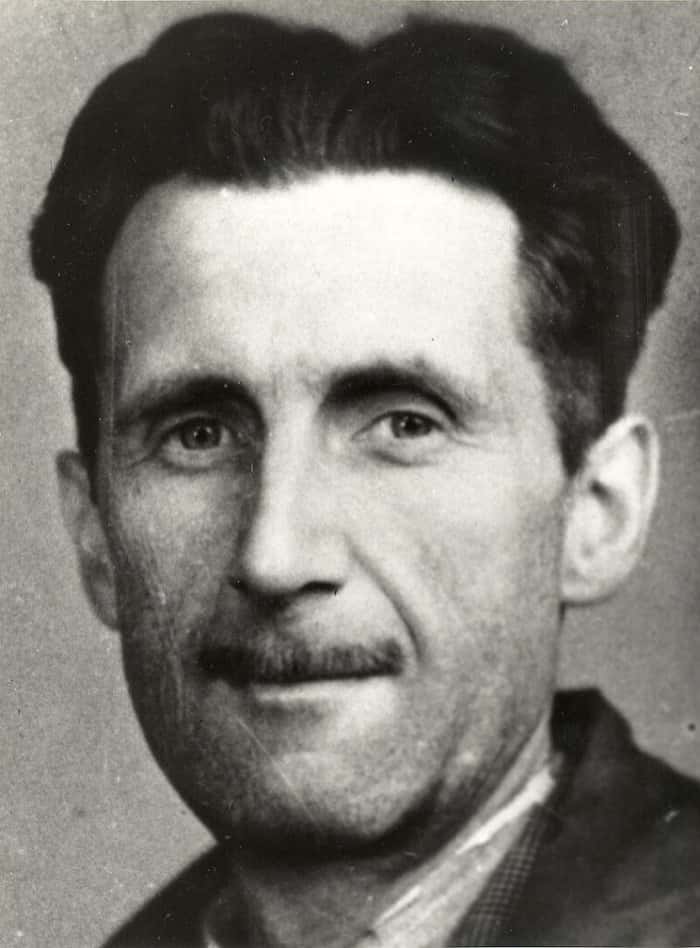
On June 8, 1949, the novel Nineteen Eighty-Four made its way into the world, penned by English writer George Orwell. Commonly known simply as 1984, this landmark piece of fiction stands as a powerful warning against totalitarian regimes and the perils that come with unchecked governmental power. Readers responded with tremendous praise and excitement upon its publication, with many recognizing how deeply its themes spoke to the realities of their own society.
Born in India in 1903, George Orwell — whose birth name was Eric Blair — built a reputation as a British novelist, essayist, and political critic with a fierce stance against totalitarianism. His writings frequently shone a light on social injustices and the menacing nature of authoritarian rule. Deeply shaped by his political convictions, his body of work is best remembered for two masterpieces: the dystopian novel 1984 and the biting political satire Animal Farm.
To this day, Orwell's writings maintain a powerful presence across contemporary literature, popular culture, and political discourse, proving remarkably enduring in their relevance.
Fun Facts about 1984:
- Orwell originally planned to call the book "The Last Man in Europe."
- Winston Smith, the novel's central character, drew heavily from Orwell's own personal life and experiences.
- The final title came about when Orwell flipped the digits of 1948, the year he completed the manuscript.
- According to popular lore, George Orwell's very first spoken word was "beastly."
- In a twist of irony that mirrors the novel's central themes, Orwell himself was being monitored by government authorities while he was writing the book.
- Throughout the process of writing 1984, Orwell battled tuberculosis. He stated in several interviews that the quality of the writing would have been stronger had his health not been so poor.