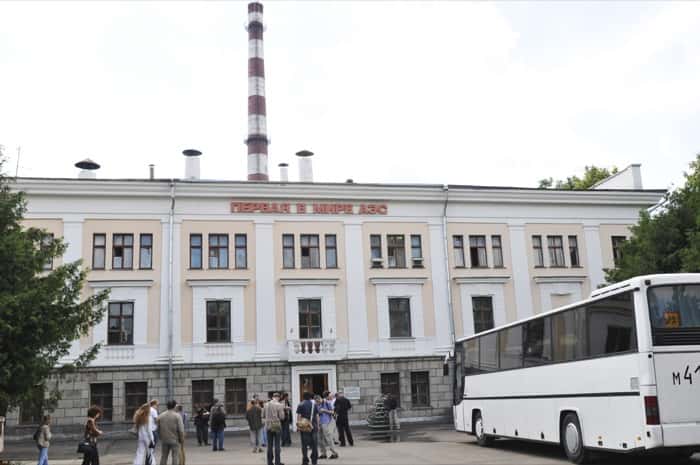
During the Cold War era of the late 1940s, the world's major powers found themselves locked in a period defined by tension, strain, and conflict. An intense arms race — particularly around nuclear weapons — fueled widespread fear of global annihilation, and for most people, the word "nuclear" conjured nothing but images of complete destruction. That perception shifted dramatically on June 27, 1954, when the Obninsk Power Plant opened in Moscow as the first nuclear power plant to connect to a power grid, delivering electricity directly to homes and businesses in the surrounding area. It was a landmark milestone that showed the world nuclear energy could be harnessed for peaceful purposes.
As the first facility to channel nuclear energy toward industrial use and feed power into the public grid, the Obninsk Nuclear Power Plant operated on what was admittedly a small scale. Its output stood at just 5 megawatts — modest by the standards of modern plants. The reactor itself carried the name "AM-1," short for "Atom Mirny," a phrase that translates to "peaceful atom" in Russian. For over 50 years, the plant remained in operation before finally closing in 2002, serving throughout those decades not only as a power source but also as a hub for nuclear research. Its original purpose — finding practical applications for nuclear energy — was a goal it undeniably achieved.
It's worth noting that other nuclear plants had managed to generate small amounts of electricity before Obninsk came along. What set this facility apart, however, was that it became the very first to actually feed electricity into the power grid. In doing so, it proved to the world that nuclear power had the potential to function as a significant global energy source, not merely as an instrument of destruction.