Every year on June 19th, Americans come together to celebrate Juneteenth, a federal holiday that marks the official end of slavery in the United States. The word "Juneteenth" itself blends "June" and "nineteenth" — a nod to the pivotal moment on June 19, 1865, when Union Major General Gordon Granger stood in Galveston, Texas, and issued an order proclaiming the freedom of all enslaved African Americans. This declaration carried out what the Emancipation Proclamation had promised in the wake of the Civil War.
On September 22, 1862, Abraham Lincoln put forth his executive order aimed at abolishing slavery across every state. Enslaved individuals throughout the nation — including those held in the rebellious Confederate states across the southern United States — were promised their freedom under this proclamation. However, making good on that promise depended on Union soldiers pushing into those territories, and their progress was anything but swift. By the time Union General Gordon Granger delivered his order ending slavery in Galveston, Texas, on June 19, 1865, a full 900 days had passed since Lincoln's proclamation, and Confederate General Robert E. Lee's surrender was already 71 days in the rearview.
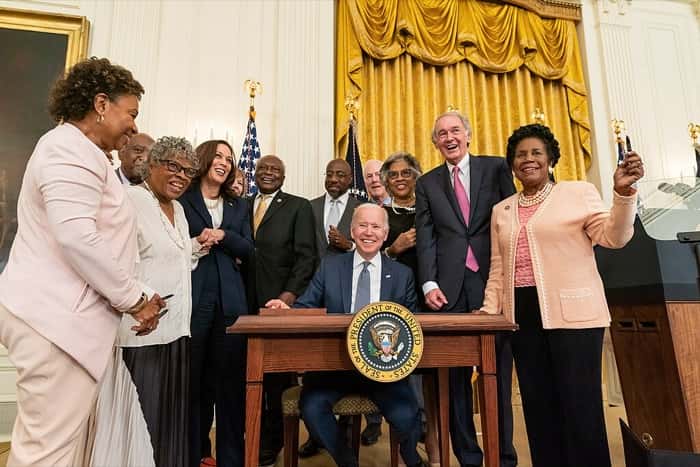
While Juneteenth celebrations stretch back many years, it wasn't until 2021 that the holiday earned federal recognition, when President Joe Biden signed the Juneteenth National Independence Day Act into law. The momentum behind this legislation was fueled in large part by the heightened awareness of systemic racism and inequality that emerged during the 2020 Black Lives Matter protests, which helped rally bipartisan support in Congress and underscored the importance of these issues. Known today as "Freedom Day," "Jubilee Day," or simply "Juneteenth," the United States embraces this occasion as a time for citizens to pause and reflect on the history of slavery and the continuing fight for equality for all people in the United States.