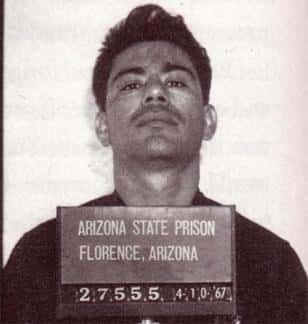
On June 13, 1966, the U.S. Supreme Court handed down its ruling in Miranda v. Arizona — a decision that would forever change the landscape of criminal justice in America. At its core, the Court determined that every criminal suspect must be made aware of what we now call "Miranda Rights" before police interrogations can proceed. These rights encompass the right to stay silent, the right to legal representation, and the warning that any statements made could and will be held against the suspect in a court of law.
The story behind this pivotal case centers on Ernesto Miranda, who found himself under arrest on charges of rape and murder after a witness to the crime identified him. What followed was a two-hour police interrogation — one in which no one ever told him he had the right to keep quiet or to have a lawyer by his side. By the end of that session, Ernesto Miranda had put his signature on a confession, and that confession became the cornerstone of his conviction in the Arizona Supreme Court.
The ruling's impact was immediate and far-reaching: the courts held that if suspects hadn't been explicitly told about their rights beforehand, any statements they gave were inadmissible in a court of law. When Ernesto Miranda went back to trial after the Supreme Court's decision, prosecutors could no longer rely on his confession as evidence. Even so, the jury convicted him a second time, and he received a sentence of 30 years in prison.
The path to this historic decision began when his attorney brought the case before the U.S. Supreme Court, making the argument that Ernesto Miranda's Fifth and Sixth Amendment rights had gone completely unacknowledged at the time of his arrest. The U.S. Supreme Court found this argument persuasive. Out of this landmark decision came a new requirement: arresting officers are obligated to notify suspects of their right to remain silent, their right to an attorney, and their right to legal counsel even when they lack the financial means to hire one. It was this very ruling that gave these protections their now-famous name — the "Miranda Rights."