After more than 300 years of growing frustration under Spanish colonial rule, Filipino discontent finally boiled over into full-scale revolution in 1896. Driven by deep opposition to Spain's policies and a fierce longing for self-governance, the Filipino people rose up to seize control of their own destiny. That struggle reached its defining moment on June 12, 1898, when General Emilio Aguinaldo led the nation in formally proclaiming independence and ending centuries of Spanish dominion. With this declaration, the Philippines became the last major colony to break free from Spain's imperial grip.
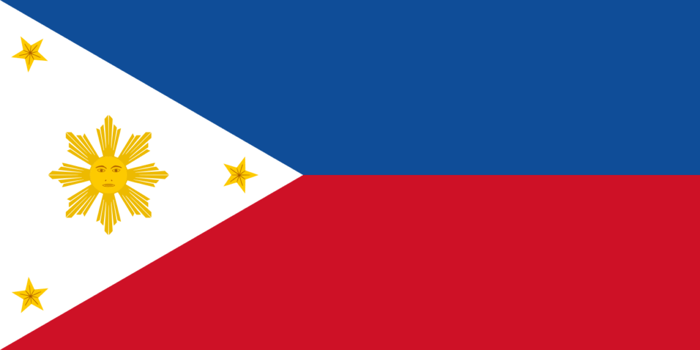
The historic proclamation took place at approximately 5 PM at the residence of Emilio Aguinaldo on June 12th, with roughly 100 people in attendance to witness the occasion. As the newly created Philippine flag was hoisted aloft, those gathered arranged themselves in a circle and sang "Lupang Hinirang," the national anthem. The Declaration of Independence was then drafted and read aloud to the crowd. In all, 98 people affixed their signatures to the document, among them one American witness.
Tragically, proclaiming independence proved far easier than securing it. Neither the United States nor Spain gave official recognition to the declaration issued by the Filipino people. In the aftermath of the Spanish-American War, Spain transferred control of the Philippines to the United States under the terms of the Treaty of Paris in 1898. Refusing to surrender their hard-won freedom, the Filipinos, with Emilio Aguinaldo at the helm, waged a determined struggle against American forces — but the effort ultimately ended in defeat. Aguinaldo was eventually compelled to acknowledge United States sovereignty over the Philippines.
It was not until July 4, 1946, through the Treaty of Manila, that the Philippines at last received independence from the United States. Even so, the nation celebrates its Independence Day on June 12th, honoring the original declaration that first gave voice to Filipino sovereignty.