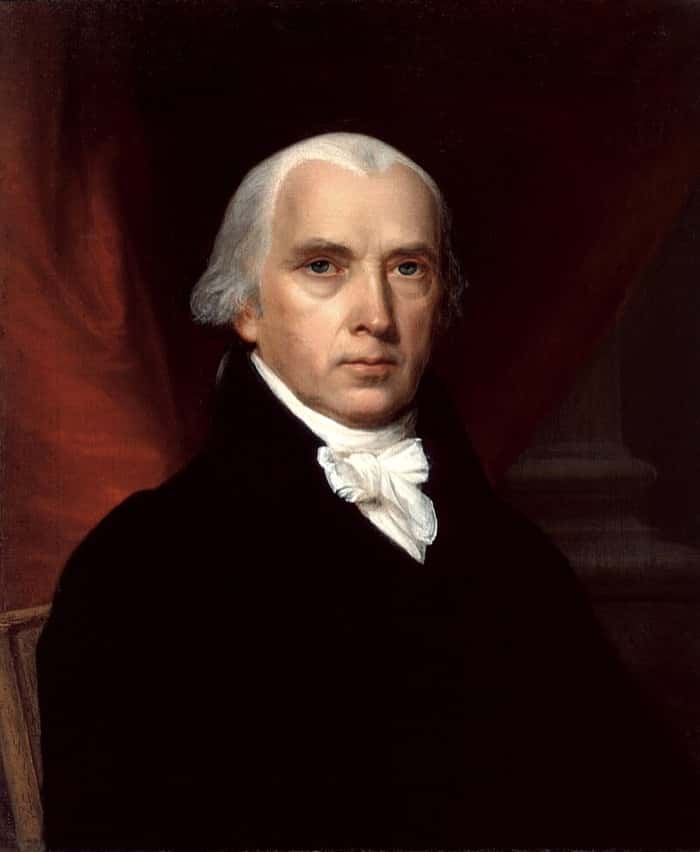
Even though the United States had formally broken free from Great Britain back in 1776 following the Revolutionary War, the relationship between these two countries remained deeply troubled for decades afterward. The British government enforced trade restrictions designed to curb America's commerce with France — something the U.S. viewed as a clear breach of international law. Making matters worse, the British Royal Navy had a habit of intercepting American merchant vessels and compelling their sailors to serve in the British fleet, a widely resented practice called impressment that poisoned diplomatic relations even further. On top of all this, Great Britain was actively arming Native American tribes and providing them with resources to resist the push of American westward expansion. These mounting grievances eventually boiled over, and in June 1812, the United States formally declared war on Great Britain. Just a few short weeks later, on July 9, 1812, President James Madison responded by issuing a proclamation that called for a national day of fasting, humility, and prayer.
Congress had urged Madison to issue this official presidential proclamation, recognizing just how grave the calamity of the "War of 1812" truly was and affirming the nation's need to turn to God for survival. Through the proclamation, Madison called on his fellow Americans to acknowledge their wrongdoings and to seek both divine forgiveness and guidance as the war unfolded. The overarching goal was to bring the country together in a shared spirit of humility, fasting, and prayer. He specifically designated the third Thursday in August as the day when citizens should come together to honor God and offer prayers for the nation's leaders, its armed forces, and an eventual return to peace.
What Madison called for wasn't entirely without precedent. As far back as 1775, the Continental Congress had proclaimed a day of prayer as a way of recognizing the young nation's dependence on God, and several early presidents of the United States followed suit by issuing their own proclamations for days of prayer and fasting. However, after Madison's proclamation, this tradition largely fell dormant for nearly 50 years — until President Abraham Lincoln revived it in 1863. Since then, the practice has endured to the present day. People from many different religions participate in national days of prayer.