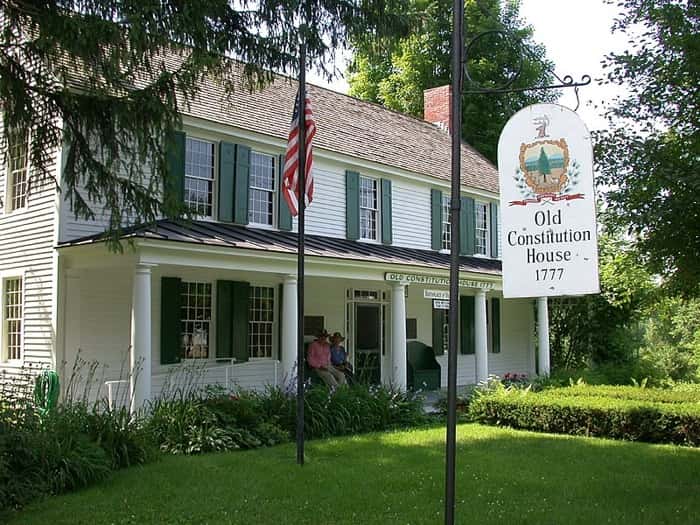
On July 8, 1777, the Vermont Colony etched its name into the record books as the first colony to abolish slavery — but the path to that milestone was anything but smooth. The land that would become Vermont had originally been purchased from New Hampshire's Colonial Governor and fell under New York's jurisdiction. Settlers living there found themselves constantly pushing back against the New York government's repeated efforts to impose political control over them. When the Vermont colony finally declared its independence from New York on July 8, 1777, the settlers drove the point home by renaming the territory — formerly known as the New Hampshire Grants — to Vermont.
With their independence declared, these determined settlers wasted no time establishing a popular government that genuinely served their interests. Among the most striking goals embedded in this new governance was a push to free enslaved individuals who satisfied certain conditions. The rules stipulated that enslaved men could gain their freedom only upon turning 21, while women became eligible at age 18 — but only if they carried no outstanding debts to their master.
Not everyone embraced these measures, though. As explored in 'The Problem of Slavery in Early Vermont,' powerful individuals like Levi Allen, Ethan Allen, and Stephen Jacob used their political and military clout to sidestep the anti-slavery laws passed on July 8, 1777. Getting around these statutes proved disturbingly simple: enslavers could forge documents falsely claiming that an enslaved person was younger than their actual age.
The settlers' dogged refusal to submit to outside political authority came with consequences. Vermont faced swift retaliation and was blocked from joining the Union, forced to operate as an unrecognized state. That limbo persisted until 1791, when Vermont was finally admitted as the 14th state of the United States.
Soon after achieving statehood, Vermont took part in the 1791 United States census — and the results of that first count raised far more questions than they answered. The data revealed that 16 enslaved people were still residing in Bennington County. Vermont authorities would go on to dispute the legitimacy of these figures, insisting that enslaved people had never existed within the state's borders. Eventually, the troubling numbers were dismissed as nothing more than clerical errors.