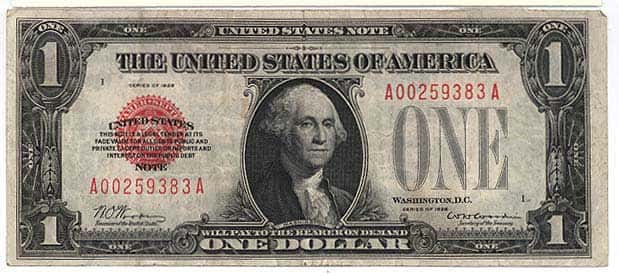
It was July 6, 1785 — roughly a decade after the Continental Congress had first gathered to hash out the Declaration of Independence — when the United States dollar was officially adopted as the nation's monetary unit. Alongside this landmark decision, the Continental Congress embraced the decimal coinage system, establishing that each dollar would equal 100 cents. Before this moment, a patchwork of currencies circulated across the United States and the broader Americas. The most widely used among them was the Spanish silver dollar, sometimes called the eight-real coin, prized for its high silver content. Yet even after the Continental Congress made the US dollar official in 1785, true recognition of it as the country's basic monetary unit didn't arrive until President George Washington signed the Coinage Act of 1792, acting on a recommendation from Secretary of the Treasury Alexander Hamilton.
The Coinage Act of 1792 ushered in a transformative chapter in American currency production. Through this legislation, Congress brought the United States Mint into existence, tasking it with one clear mission: producing and distributing the new money. Philadelphia, PA — which served as the nation's capital at that time — became home to the first Mint facility. Initially, the Mint fell under the oversight of the Department of State, an arrangement that held until 1873, when a subsequent Coinage Act transferred it to the Department of the Treasury. Armed with the authority to incorporate precious metals like gold and silver into coinage, the Mint began producing the coins we still recognize today, bringing much-needed structure and stability to the young nation's economy.
Although the US dollar gained legal tender status back in 1785, its rise to global prominence was a gradual journey. The first paper dollar bills didn't roll off the presses until 1861, quickly picking up the nickname 'greenbacks' thanks to their distinctive color. There's also the familiar term 'buck,' which traces its roots all the way back to the American colonies, when buckskins — or deerskins — served as a common medium of exchange. Fast forward two hundred and thirty-five years from its official adoption, and the US dollar now stands as the most commonly used currency in international transactions with other countries. Its reach stretches well beyond American borders, with some nations adopting it as an alternate form of currency alongside their own national coinage — a testament to its enduring international significance.