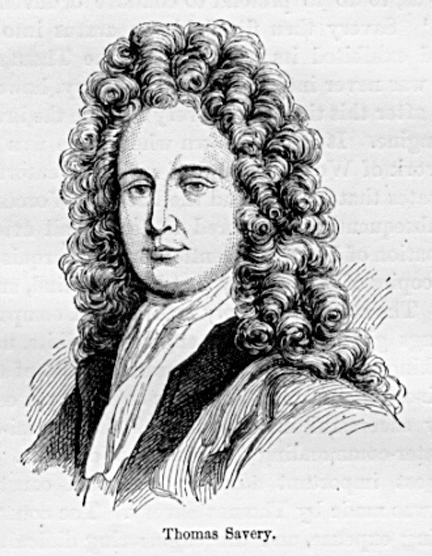
On July 5, 1698, a breakthrough in engineering took shape when Thomas Savery, an English military engineer with a passion for tinkering, secured a patent for a steam-powered engine. When he wasn't occupied with his military duties, Savery channeled his energy into experimentation and invention. Among his earlier achievements were a marble polishing machine and a patented device designed to make rowing ships easier. But it was his 1698 pistonless pump—a clever engine that harnessed steam pressure to lift water—that would prove to be his most consequential creation. Ultimately, this steam-powered machine found practical use in draining flooded mines and delivering water to towns.
The device quickly earned the name "Savery Steam Engine," and it made its biggest splash within the mining world. Engineered specifically to pump water out of mines using steam power, the invention became a lifeline for those working underground. Miners embraced it so enthusiastically that it picked up the nickname "Miner's Friend"—a moniker that even made its way into the device's advertising. For an industry plagued by dangerous flooding, this machine represented a vital safety tool.
Groundbreaking as it was, Savery's engine came with notable shortcomings. Efficiency was a real problem, and the pump struggled when tasked with drawing water from greater depths. On top of that, the reliance on high-pressure steam introduced genuine safety hazards. Even so, the engine holds a unique place in history as the first of its kind and the first steam engine made commercially available. Its design left a lasting imprint on the field, directly inspiring future innovators like Thomas Newcomen and James Watt, both of whom went on to dramatically refine and improve upon the steam engine concept.