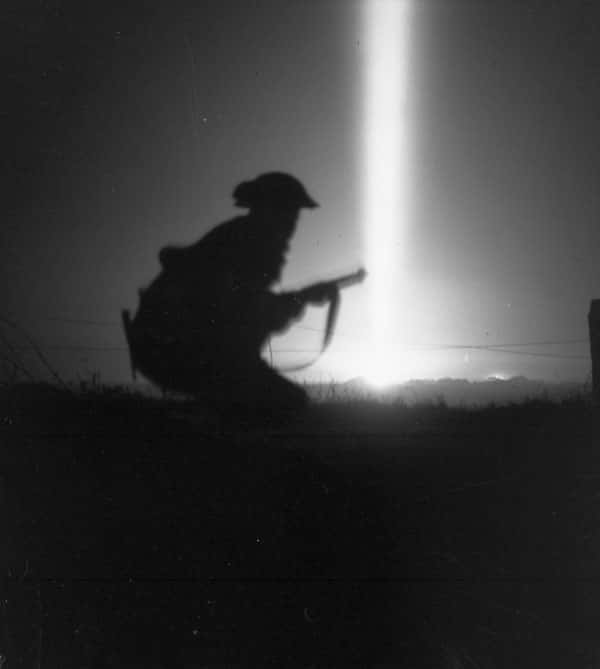
The Canadian assault on Verrières Ridge, known as Operation Spring, stands as one of the most consequential and painful episodes in Canadian military history. July 25, 1944, brought devastating losses to the Black Watch, a Montreal-based English-speaking battalion whose soldiers fought with extraordinary courage even as they suffered over three hundred casualties in just one day. At the heart of this tragedy lies the story of Major Frederick Philip Griffin, a 26-year-old officer whose decisions and fate have sparked considerable scrutiny and debate ever since.
Fewer than half of the battalion managed to fight their way to the top of a ridge during the engagement, only to stumble upon a well-camouflaged enemy position that changed everything. Hidden among haystacks were enemy tanks and self-propelled guns — a shocking revelation that caught the Canadians completely off guard and dramatically shifted the trajectory of the battle. Faced with this grim reality, Griffin was left with no real option but to order his troops to pull back.
Days later, Griffin's body was recovered, lying among the fallen soldiers who had served alongside him. What appears to have been his last act as an officer was a message dispatched to the Black Watch's support company, urging them to hold back reinforcements with the haunting words: "We have too many men trapped here now." With the loss of over 300 men, the toll suffered by the Black Watch ranks among the most deadly of any Canadian operations throughout WWII.