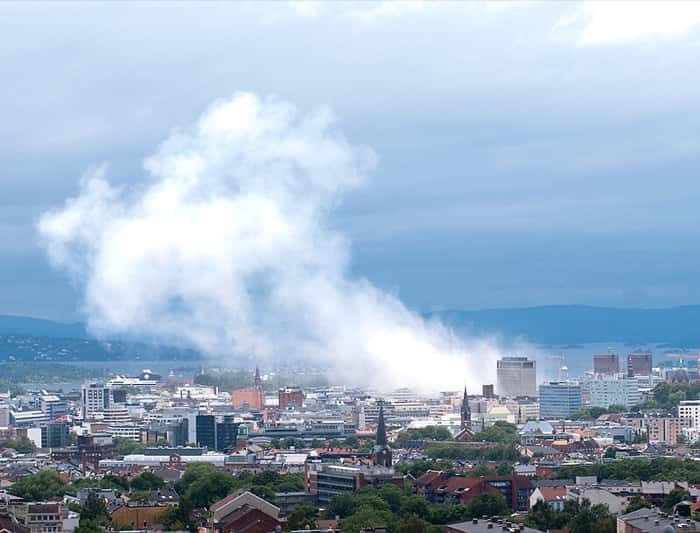
On the afternoon of Friday, July 22, 2011, a pair of coordinated terrorist attacks shook Norway to its core.
A 32-year-old Norwegian man named Anders Breivik loaded a van with a homemade fertilizer bomb and positioned it outside a government block in Oslo. Within minutes, the device detonated — the blast claimed eight lives, left numerous others injured, and reduced several surrounding buildings to rubble.
From there, Anders Breivik donned a police uniform and made the 25-mile journey to Utoya Island, where the Labor Party was hosting a summer youth camp. Presenting himself as a security detail conducting a routine check in response to the Oslo explosion, he gained access to the island. Once inside, he launched a devastating shooting rampage that took the lives of 69 people and left many more with serious injuries.
When police officers on the island finally confronted him, Anders Breivik surrendered without resistance. At trial, he admitted to what he had done and was ultimately convicted of killing 77 people. Authorities made the deliberate decision not to televise his testimony, fearing it could serve as a platform for spreading his radical ideologies. The court handed down a sentence of 21 years in prison.
The attacks of July 22 were regarded as the deadliest act of terrorism Norway had endured since World War II, plunging the small, close-knit Nordic nation into a period of profound grief.