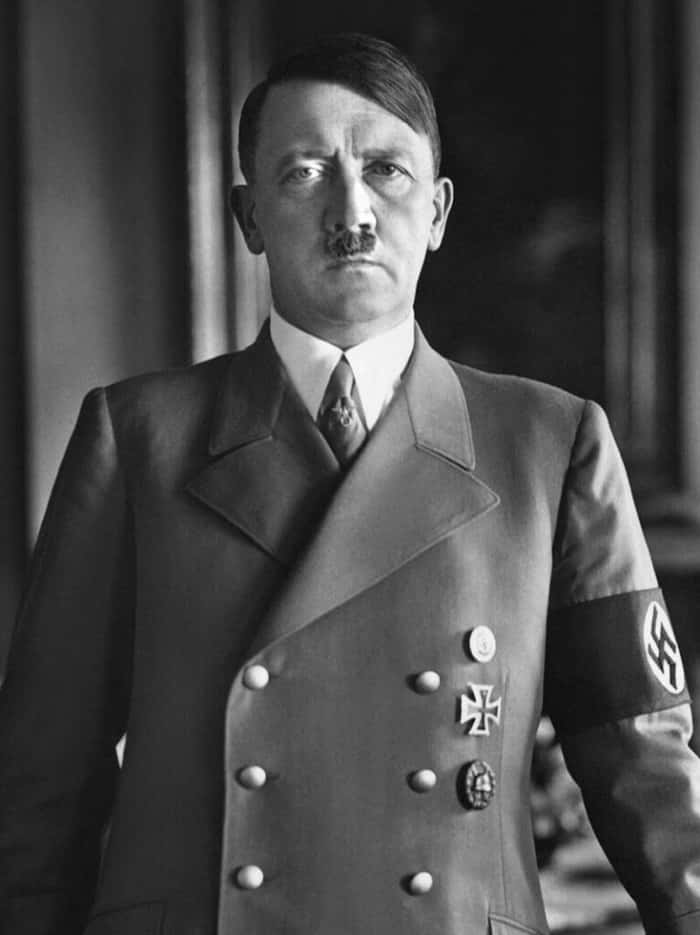
The path that brought Adolf Hitler to power in Germany was anything but straightforward. After joining the Nazi Party in 1919, he rose rapidly through its ranks to become the organization's leader. Yet his ambitions suffered a serious setback when a failed coup attempt against the Bavarian government in 1923 resulted in his arrest and a treason trial. Though he received a five-year prison sentence, he ended up serving only nine months. It was behind bars that he penned his manifesto, Mein Kampf, laying out the core tenets of Nazi ideology. Once free, Hitler's hunger for power remained as fierce as ever — but his approach evolved. Rather than seizing control by force, he chose to work within the legal system, even if his tactics frequently stirred controversy. Despite lacking universal approval from the German government, he steadily maneuvered his way toward authority. On July 22, 1933, he was appointed Chancellor of Germany's coalition government, even though he had not secured the majority vote. With that appointment, the Third Reich was born and the era of Nazi Germany began.
Hitler's ascent to the chancellorship wasn't driven by an illegal power grab or sheer popular momentum alone. The Nazi Party had grown into a formidable presence within Germany's Reichstag, and Adolf Hitler presented himself as a potential catalyst for change — someone who might bring stability to a nation that had been floundering ever since the end of World War I. Still, it required substantial pressure from conservative factions to push his appointment through. Tragically, those same conservatives operated under the false assumption that they could harness Hitler and the Nazi Party to serve their own political interests once he held office. In reality, he thoroughly outmaneuvered them.
The consequences of Hitler's rise to the chancellorship proved profound. Holding this seat of power gave him the leverage to fundamentally reshape Germany's governmental framework. Through a combination of persuasion and ruthlessness, he rapidly dismantled the democratic system and replaced it with a totalitarian dictatorship. While his appointment as Chancellor did not translate into an immediate seizure of absolute power, it created the foundation for the sweeping expansion of Nazi influence and ideology — ultimately paving the way for the horrors of World War II.