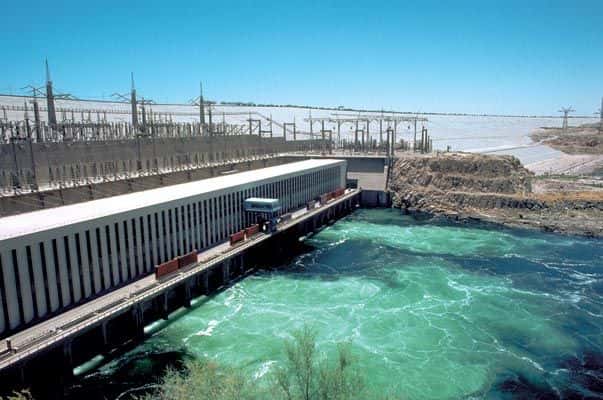
In the wake of Egypt's 1952 Egyptian Revolution, a military regime took power and ushered in an era of sweeping political transformation. Among the most ambitious undertakings of this period was the construction of a colossal structure on the Nile River — the Aswan High Dam. Engineers envisioned it as a tool to tame the river's unpredictable annual floods, store water more effectively for irrigating crops, and harness the current to produce hydroelectricity. On July 21, 1970, this monumental engineering feat was finally completed.
It took more than 10 years and an extraordinary workforce of over 34,000 workers to bring the Aswan High Dam to life. Rising 111 meters into the sky and stretching an impressive 3,800 meters across, the dam required some 44 million cubic meters of materials to build. Behind it formed Lake Nasser, a vast reservoir capable of holding over 169 billion cubic meters of water. The dam's sheer scale is matched by its output — a built-in hydroelectric plant churns out more than 2 gigawatts of power.
When it comes to evaluating the Aswan High Dam's legacy, the picture is anything but simple — largely because the dam proved remarkably successful at what it set out to do. Built to drive Egypt's push toward modernization and industrialization, it effectively curbed the annual flooding that had long plagued the region. Food production saw meaningful gains, water transportation became safer, and the country's electricity output surged. Yet these achievements came at a steep price. More than 100,000 people were uprooted from their homes during construction, and several archaeological sites disappeared beneath rising waters. On top of that, coastal erosion worsened and the incidence of certain diseases climbed. Love it or criticize it, the Aswan High Dam stands as one of the largest embankment dams anywhere on the planet.