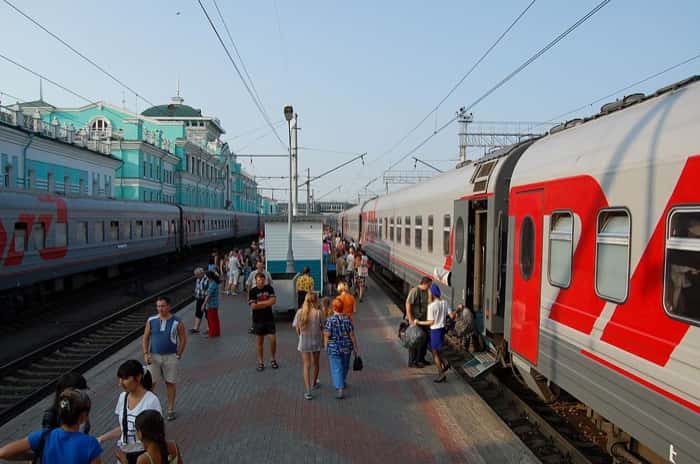
On July 21, 1904, the Trans-Siberian Railway finally opened its doors to the world, capping off an ambitious 25-year construction effort. Stretching from Moscow in the west all the way to Vladivostok in the east, this incredible rail line cuts a path straight through the heart of Russia. Covering a staggering 9,289km and crossing eight time zones, it holds the distinction of being the longest railway line on the planet. More than just an engineering triumph, the Trans-Siberian Railway serves as a vital lifeline for local residents while simultaneously captivating tourists from around the globe, many of whom eagerly chronicle their epic journeys along the route.
Fun Facts
- Spanning 9,289 kilometers — that's 5,772 miles — the Trans-Siberian Railway claims the title of the world's longest railway line. It features three separate tracks.
- Connecting Moscow to Vladivostok in the East, the railway was conceived with the goal of bridging the vast gap between Western Russia and Eastern Russia.
- Work on the Trans-Siberian Railway got underway in March 1891, though the line wouldn't see its official opening until 1904.
- In its early days, the trans-Siberian Railway actually included a stretch that passed through Manchurian China. This roundabout path was necessary because Russia's brutal climate posed serious challenges for building certain portions of the route.
- Traversing eight distinct time zones, the trans-Siberian Railway requires a full eight days to travel from end to end.
- To tackle the enormous project, the line was split into seven separate sections during construction, with most segments being built by labor forces that swelled to as many as 62,000 workers.
- You might also hear the trans-Siberian Railway referred to by its other names: the Great Siberian Route or simply Transsib.
- At one stage, Russia found itself deploying troops to guard the railway line within China, after Chinese authorities began asserting that the line was stirring up unrest in the region.