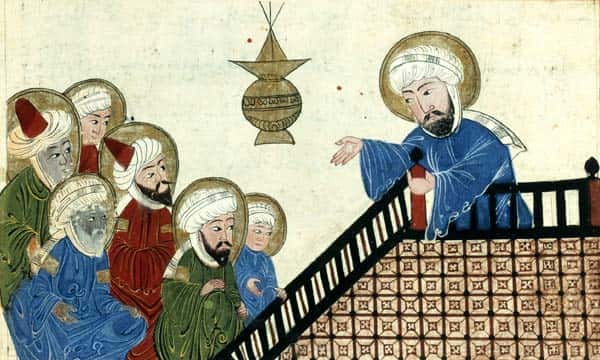
It was July 16, 622, when Muhammad set out from Mecca on a fateful trek toward Medina — a departure driven by the relentless persecution he faced for preaching and spreading the message of Islam.
Born in 570 to Abd Allah bin Al-Muttalib and Amina bint Wahb, the prophet Muhammad grew up in Mecca, the holy city. At the age of 40, he received a revelation from the Quran, which launched his mission to share Islamic teachings with his followers. By 615, he had successfully brought about 100 Muslims into the faith right there in Mecca, the most sacred city in the religion of Islam.
Muhammad openly challenged the greed and idol worship practiced by wealthy merchants, proclaiming that "There is no god but Allah." Not everyone, though, was receptive to this declaration. Hostility toward the prophet grew in Mecca, where people hurled rocks at both him and his believers. The ruling tribes of Mecca, including the Quraysh, viewed Muhammad as a potential source of unrest among the populace and pressured him to renounce his faith. Then, in 619, his uncle Abu Tali — the head of the Hashim clan — passed away, and leadership fell to Abu Lahib, another uncle. Unlike his predecessor, Lahib refused to shield Muhammad from the escalating aggression of tribal leaders, and the persecution targeting Muslims only intensified.
In response, Muhammad instructed his followers to quietly make their way to Medina in small groups. Once city officials discovered this growing exodus, they hatched a plot to have the prophet assassinated. Faced with this deadly threat, Muhammad managed to slip away undetected, navigating hidden routes on his path to Medina. He completed the celebrated Hijra on September 24, 622 — a pivotal moment in Islamic history. This event not only marks the starting point of the Islamic calendar but also represents the founding of the first Islamic state in Medina, ushering in a monumental chapter in the history of Islam.
This momentous journey gave rise to the Muslim calendar. Beyond that, it provided Muhammad and his followers the freedom to share Islam's teachings across the world without facing persecution, ultimately helping the faith grow into the second-largest religion in the world.