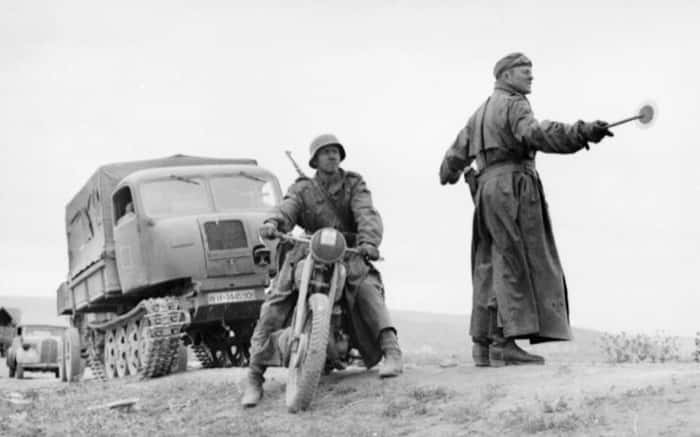
The Battle of Kursk in 1943 stands as the most celebrated tank engagement ever fought — a sprawling, ferocious clash that erupted on July 5, 1943, in the midst of World War II and continued to rage for more than a month. Played out across the Eastern Front, it saw German and Russian forces locked in a titanic struggle. The numbers alone are breathtaking: an estimated 6,000 tanks, 2,000,000 troops, and 4,000 aircraft were drawn into the fighting.
The German objective, carried out under the umbrella of Operation Barbarossa, was to seize Moscow, Russia's capital. Yet their forces leaned too heavily on new, unproven military technologies — the Tiger Tanks among them — and critically underestimated what the Soviet defenses were capable of.
Meanwhile, the Soviets were busy constructing an elaborate defensive network at Kursk with painstaking care. Intelligence gleaned from captured German soldiers, along with Tunny intercepts provided by British intelligence, gave them a crucial edge. They fortified their positions with tank traps, anti-tank mines, and barbed wire snares — a striking display of strategic foresight. The German defeat at Kursk proved to be the definitive collapse of their offensive power on the Eastern Front, paving the way for the sweeping Soviet offensives of 1944–45.
When the dust finally settled at Kursk, the toll was enormous on both sides. German forces absorbed 200,000 casualties and saw 500 tanks destroyed. Soviet losses were even heavier in raw terms, with approximately 1500 tanks knocked out and casualties reaching 860,000. Plausibly, the Germans outgunned the Soviets, winning the tactical battle. But the German army never managed to punch through the Red Army's fortifications and was ultimately forced to pull back — turning the entire engagement into a Russian victory.