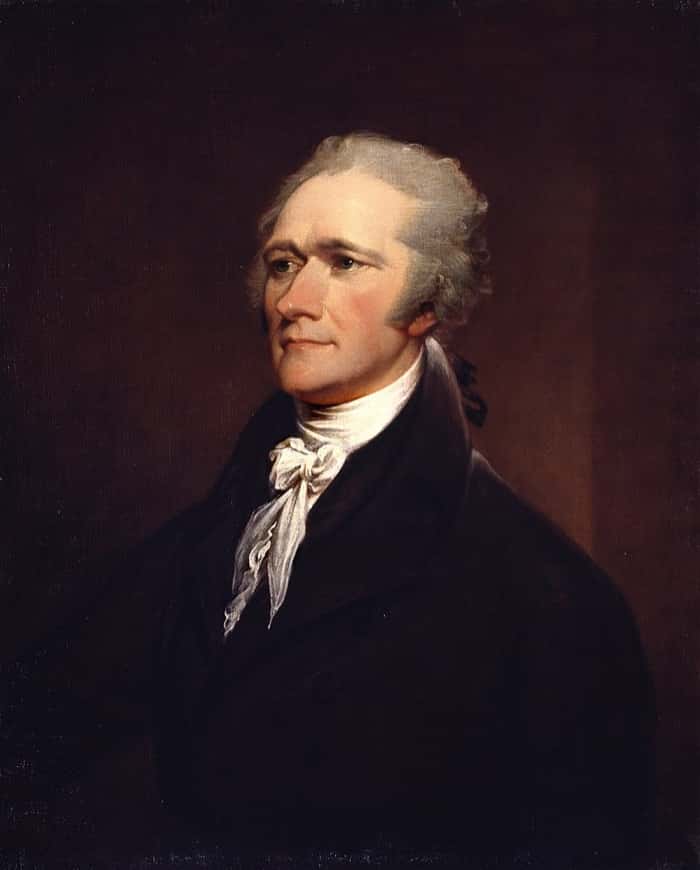
On July 12, 1804, a long-simmering political feud reached its deadly conclusion when Vice President Aaron Burr fired a fatal shot at Alexander Hamilton, his bitter rival. The two men had clashed for years, driven apart by fundamentally opposing visions for the country. Hamilton had established himself as the driving force behind the Federalist Party, penning numerous Federalist dissertations. Burr, by contrast, aligned with the Democratic-Republican Party and championed more progressive policies.
The roots of their animosity stretched back to 1791, when Burr defeated Hamilton's father-in-law in a U.S. Senate Race. Things only escalated after the 1800 Presidential election, during which Hamilton publicly declared his refusal to recognize Burr as his Vice President. Then, in the wake of the 1804 election, Hamilton allegedly made discriminatory remarks directed at Burr. Burr insisted on an apology, but Hamilton flatly refused. What followed was a series of increasingly hostile letters exchanged between the two men.
Hoping to breathe new life into a political career that had stalled out, Burr issued a challenge to Hamilton — a duel at Weehawken, New Jersey. Hamilton accepted. When the moment came, it is believed that Hamilton intentionally aimed away from Burr, his shot striking a tree above Burr's head. Burr showed no such restraint. His bullet ripped through Hamilton's internal organs and shattered his spine, leaving him paralyzed. Hamilton endured hours of agony before dying the next day.
Though Burr was indicted for the incident, he was never arrested for killing Hamilton.