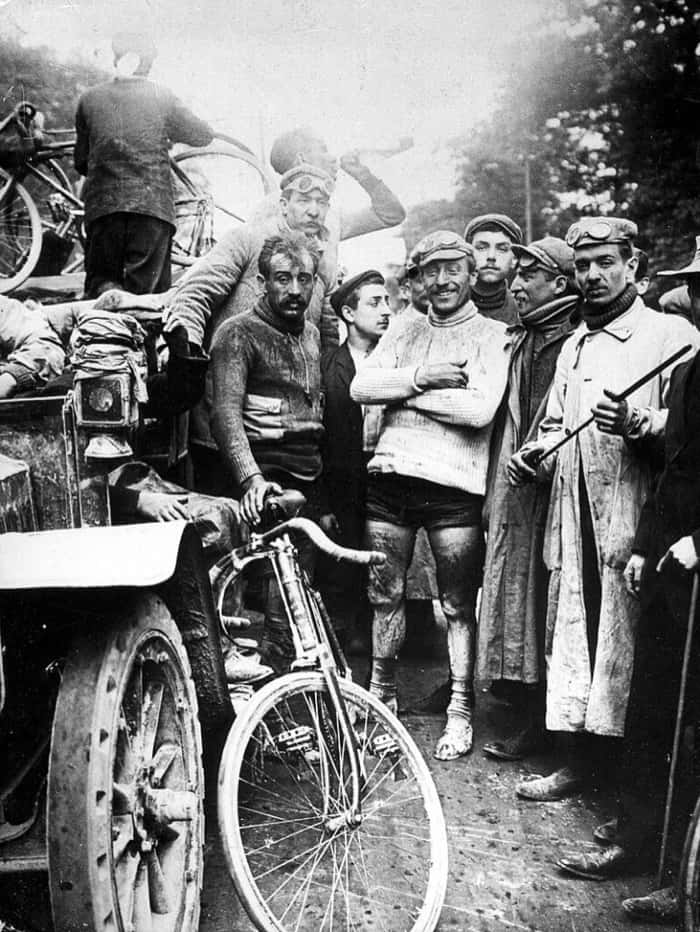
Back on July 1, 1903, the world witnessed something extraordinary — the very first Tour de France, a multi-stage bicycle race that would go on to become one of the most prestigious events in sports. What makes this race so legendary? It's an absolute test of human endurance, sending riders across approximately 2,200 miles of challenging and rugged terrain. Every year, millions of spectators line the route to watch in person, while millions more tune in to global broadcasts from their homes. The entire spectacle unfolds over roughly three weeks, broken into 21 distinct stages, and traditionally wraps up in Paris, France. Remarkably, more than 100 years after its initial inception, the Tour de France continues to be held annually each July.
So how did this iconic race come into existence? It all started as a marketing strategy. A French newspaper called L'Auto was struggling with sales and needed a way to drum up attention. Their bold solution? Organize a grueling endurance cycling race that would captivate the public. The gamble paid off spectacularly — the inaugural Tour de France turned out to be a massive hit for L'Auto, delivering a significant boost to both its sales and visibility. More than 60 riders lined up to compete, and spectators embraced the event enthusiastically. That first race laid the groundwork for everything the Tour de France has become, establishing its continued evolution and the prestige it carries today.
Fun Facts about the Tour de France:
- In 1919, the yellow jersey was introduced to make the race leader more recognizable to spectators.
- The race has been held annually for over 100 years, with only two gaps during World War I and World War II.
- Though it is called the Tour de France, the race has occasionally featured stages in other European countries, including the UK, Spain, and Italy.
- Although individual riders compete for victory in the Tour de France, there is also an important team component. Teams play a crucial role in supporting their star riders by helping them conserve energy on specific routes, setting the pace, and shielding their leaders from wind and other elements.
- The first Tour de France was won by an Italian chimney sweeper named Maurice Garin. Garin won with a margin of over three hours, the largest winning margin in the event's history.