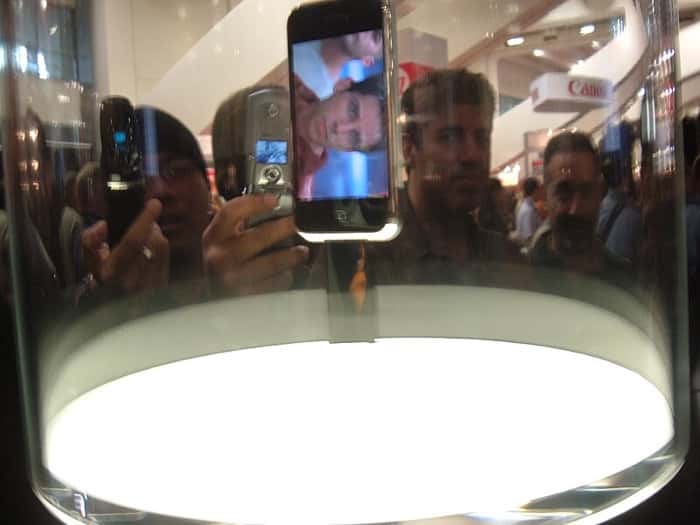
Back on January 9, 2007, Apple took the stage at the MacWorld Conference in San Francisco to unveil something that would reshape the tech landscape: the very first iPhone. CEO Steve Jobs introduced the company's debut smartphone, calling it a "revolutionary and magical product." Although Apple had been secretly developing the device for years, most consumers had already guessed what the big reveal would be.
Jobs described the iPhone as three devices rolled into one — a large touchscreen iPod, a fully featured mobile phone, and an innovative Internet communications device. What made it truly stand out was its reliance on a touchscreen alone, with no stylus, mouse, or keyboard in sight. To make this work, Apple created a sophisticated multi-touch interface supporting gestures such as pinch-to-zoom. On top of that, the phone played nicely with other Apple products people already owned, including iTunes and Safari.
The reaction was largely enthusiastic, especially when it came to the iPhone's design and technological capabilities. Still, some early skeptics raised questions about its durability, price point, and camera quality. Apple would officially release the device on June 29, 2007, pricing the 4GB model at $499 and the 8GB version at $599. Buyers had to sign up with AT&T on a two-year contract, as it was the exclusive carrier. The demand was staggering — thousands queued outside AT&T stores, and many locations ran out of stock within an hour.
Apple's groundbreaking phone quickly inspired both imitators and genuine innovators across the industry. Its primary rivals at the time included LG, Samsung, Nokia, Palm, and Blackberry. Fast forward to today, and the smartphone market offers an enormous variety of options — yet the iPhone remains one of the most popular choices, currently on generation 16.