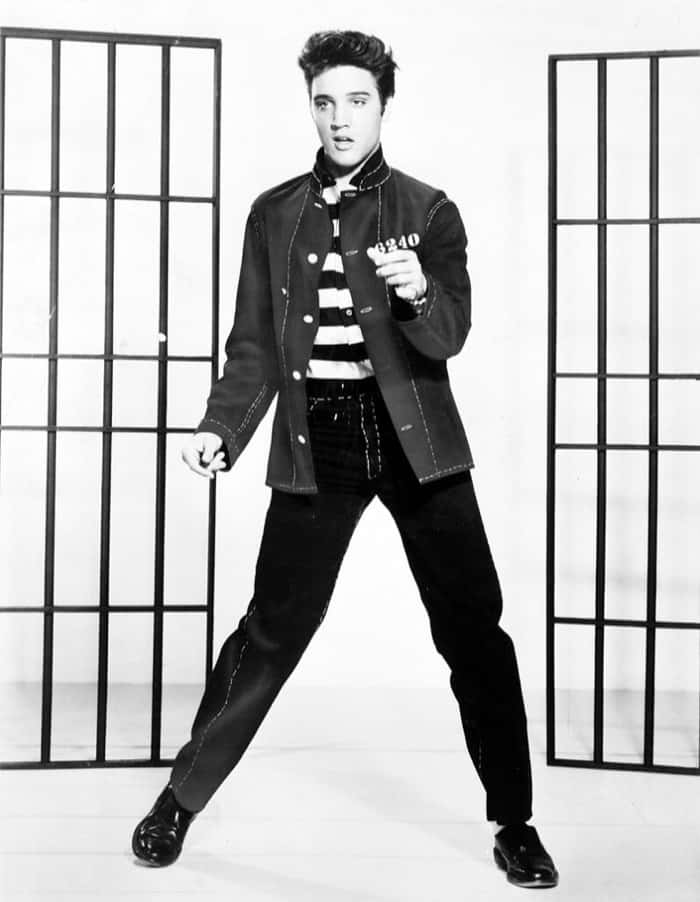
On January 8, 1935, the world welcomed a baby boy in Tupelo, Mississippi, who would go on to reshape the entire landscape of popular music. Elvis Presley — destined to earn the legendary title "King of Rock and Roll" — arrived as the son of Gladys and Vernon Presley. Tragically, his twin brother was stillborn 35 minutes earlier. The family was so financially strained that the delivering doctor's $15 fee was covered with a welfare check.
Raised in a modest two-room house that his father had built, Elvis knew hardship from the very beginning. Government welfare assistance and the generosity of neighbors were what kept the Presley family afloat. When they relocated to Memphis, Tennessee, in 1948, everything started to change. It was in this vibrant city that Elvis discovered and honed his musical gifts, weaving together a tapestry of sounds drawn from pop, country, gospel, and R&B into something entirely his own.
His singing career officially launched in 1954, and just two years later, the release of his first number-one single, 'Heartbreak Hotel,' in 1956 sent him rocketing to fame. From there, Elvis became a phenomenon — delivering record-breaking live performances and starring in 33 successful movies. He earned 14 Grammy nominations and took home three wins, yet not everyone was a fan. His suggestive dance moves drew sharp criticism from those who considered him a moral threat, especially when it came to his influence on young women.
The cultural footprint Elvis left behind is simply immeasurable. By fusing music and movement in ways no one had seen before, he broke through racial and social barriers that had long divided audiences. Beyond the stage, he redefined what masculinity could look like, cementing his status as a fashion icon along the way. Widely regarded as one of the most influential figures of the 20th century, Elvis Presley built a legacy that continues to captivate and inspire generations long after his passing.