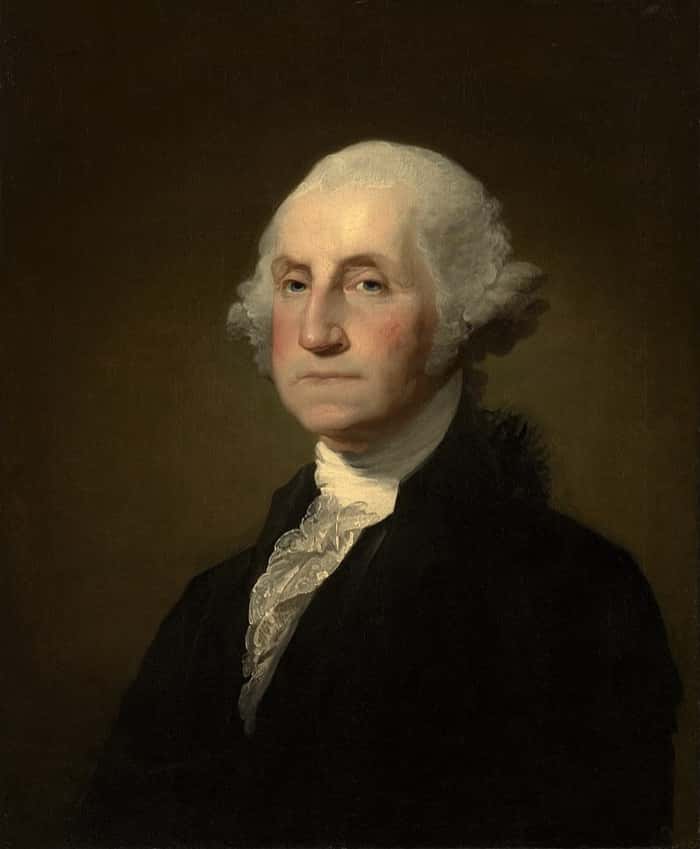
On January 8, 1790, President George Washington set a remarkable precedent by delivering what would become the very first State of the Union Address. Standing before a joint session of Congress gathered at Federal Hall in New York City — then serving as the temporary capital of the United States — he charted a course that no American leader had walked before. The Constitution had laid out a requirement for the President to periodically inform Congress about the State of the Union and recommend measures deemed necessary. But as the inaugural holder of the office, Washington faced the task of deciding exactly how to fulfill that obligation, and he chose a path that deliberately broke from the monarchical customs of old.
The address came eight months after Washington's inauguration, and its tone spoke volumes. Washington struck a deliberately deferential note, keenly aware that the young nation harbored deep anxieties about the rise of another king-like figure. He focused his remarks on priorities like national defense, the development of infrastructure, and the importance of education. A warm congratulations and welcome extended to North Carolina, the newest state to join the union, added a celebratory touch. The entire speech clocked in at just a little over 1,000 words.
The reaction from both Congress and the American public was one of resounding approval. Congress went so far as to craft a formal response that echoed the themes of Washington's speech and pledged their cooperation going forward. For everyday Americans, the address served as powerful reassurance — proof that their fledgling government operated with greater balance and far less tyranny than the system they had fought to escape. Through this single act, Washington deftly illustrated the equilibrium among the three branches of government and planted seeds of confidence in the nation's trajectory.
Since those early days, the State of the Union Address has undergone a dramatic transformation, mirroring the ever-shifting landscape of American politics and society. While presidents continue the tradition Washington established, the format looks nothing like it once did. Today, the speech stretches far longer and unfolds as a major televised event — a reflection of modern media's reach and the growing emphasis on governmental transparency. Afterward, a member of the opposition party delivers their own televised response, a custom that adds yet another layer to the ongoing democratic conversation.