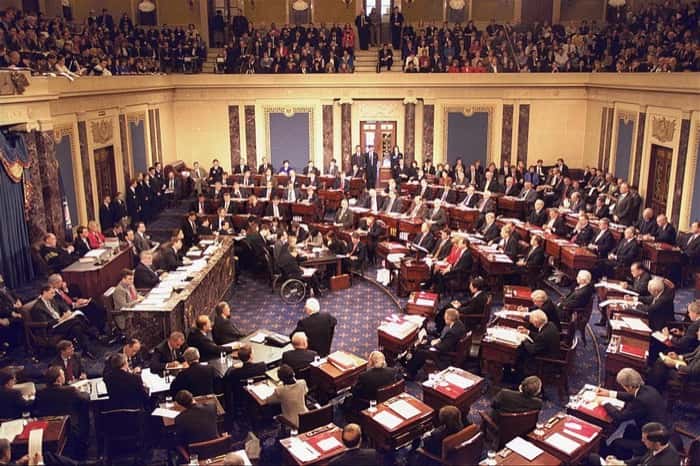
For the first time in 130 years, the United States Senate convened on January 7, 1999, to carry out a presidential impeachment trial. At the center of these historic proceedings stood Bill Clinton, the 42nd President of the United States. It was only the second occasion in all of U.S. history that a sitting president had been subjected to an impeachment trial.
Months of scandal that had gripped the entire nation preceded this dramatic moment. The House of Representatives had voted just a month earlier, in December 1998, to impeach President Clinton on two counts: perjury and obstruction of justice. Both charges stemmed from his sworn testimony concerning his extramarital relationship with Monica Lewinsky, a White House intern. Independent counsel Kenneth Starr had spearheaded the investigations and allegations, which ignited fierce national debate over where the lines between private conduct, public trust, and the Constitution should be drawn.
Although the proceedings adhered to strict constitutional protocols, they unfolded amid a whirlwind of media coverage and deep political division. Opening arguments, evidence presentation, and heated discussions over whether witnesses should be called all formed part of the trial. The House managers, serving in the role of prosecution, pressed their case for conviction, while Clinton's defense team pushed back forcefully, arguing that the charges fell short of the "high crimes and misdemeanors" threshold the Constitution demands for removing a president from office.
Throughout the trial, public opinion exerted considerable influence. Polling consistently revealed that while many Americans found Clinton's actions objectionable, they nonetheless opposed removing him from the presidency. The booming economic prosperity of the late 1990s, combined with Clinton's policy achievements, served as something of a shield against more severe public backlash.
On February 12, 1999, the trial reached its conclusion when the Senate voted largely along party lines. Neither article of impeachment garnered the two-thirds majority needed for conviction, and Clinton was acquitted on both charges.