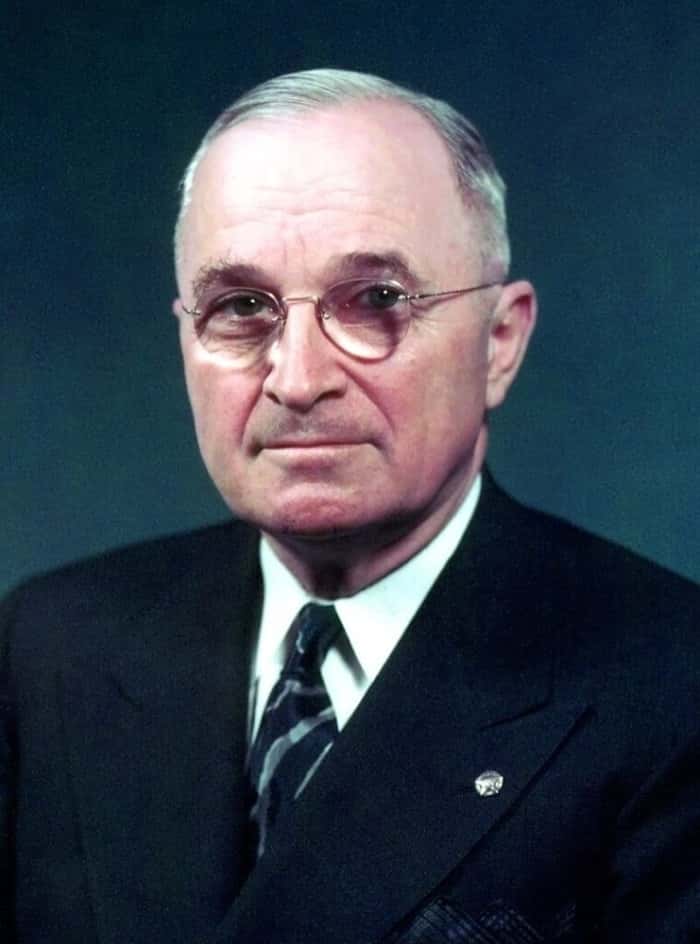
When Harry S. Truman stood before Congress on January 5, 1949, to deliver his State of the Union address, he introduced a phrase that would echo through American political history: the "Fair Deal." This bold domestic policy blueprint represented both a tribute to and an evolution of Franklin D. Roosevelt's legendary "New Deal," setting its sights on the unique challenges of post-war America and the pursuit of a fairer society.
So what exactly did Truman's "Fair Deal" entail? Let's dig in.
Building on the "New Deal" Legacy
- Between 1933 and 1939, FDR's New Deal reshaped the American landscape through a sweeping set of social and economic reforms born out of the Great Depression. Its three pillars — relief for those without work, economic recovery, and financial system reform — gave rise to landmark programs like Social Security, public works initiatives, and unemployment insurance.
- Truman held deep respect for this foundation, yet he understood that the post-war world demanded fresh thinking. His "Fair Deal" was designed to broaden the social safety net and guarantee fair opportunities for every American as the country navigated a period of rapid transformation.
The "Fair Deal" Vision
The agenda Truman laid out was nothing short of sweeping, featuring proposals such as:
- National Health Insurance: A push for universal coverage that predated Medicare and Medicaid by years.
- Civil Rights Legislation: A daring attempt to confront racial discrimination head-on — remarkably courageous for the era.
- Aid for Education: A commitment to making schooling available to everyone.
- Public Housing Expansion: A direct response to the nation's growing housing crisis.
- Minimum Wage Increase: Greater economic protections for working-class Americans.
Why It Mattered
The fundamental promise of the "Fair Deal" was simple yet powerful: the economic boom following the war should lift up every segment of American life. As Truman himself put it:
"Every segment of our population and every individual has a right to expect a fair deal from our government."
Grand as this vision was, it ran headlong into fierce opposition from a conservative Congress — especially Southern Democrats and Republicans. Signature proposals like national health insurance never made it through. Still, the effort wasn't without meaningful victories:
- Raising the minimum wage.
- Expanding Social Security.
- Passing the Housing Act of 1949, which directed funding toward public housing projects.
Even though many of Truman's proposals never became law, the "Fair Deal" planted seeds that would blossom in later decades. Lyndon B. Johnson's "Great Society" of the 1960s drew directly from the vision Truman had championed, advancing America toward those same aspirational goals. The next time debates about healthcare or workers' rights heat up, it's worth remembering that Harry Truman's "Fair Deal" helped set the stage for the equity and opportunity conversations that continue to shape our nation today!