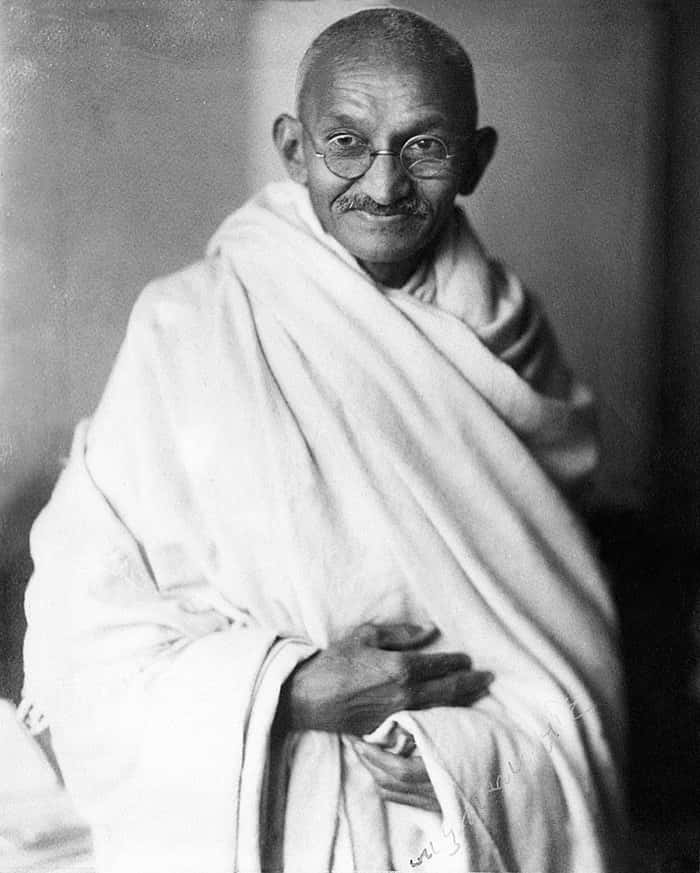
On January 30, 1948, the world lost Mahatma Gandhi — shot dead at the age of 78, barely a year after realizing the dream he had pursued for decades: independence for India. Prior to 1947, the country had languished under British imperial control, and numerous efforts to throw off that rule had ended in failure. Gandhi, however, brought something altogether different to the struggle — a strategy that would ultimately succeed where others had not.
What set Gandhi apart from other champions of self-governance was his unwavering commitment to nonviolent civil disobedience. He and his supporters defied British authority at every turn, yet steadfastly refused to answer with violence. The British occupiers, however, showed no such restraint. When images and reports of British soldiers brutalizing peaceful Indian demonstrators reached the wider world, the resulting international outrage became impossible to ignore — and ultimately compelled Britain to relinquish control, granting India its independence.
In January of 1948, Gandhi made his way to New Delhi, where he joined prayer gatherings and undertook a fast for peace. Several hundred devoted followers assembled alongside him. As he stepped out of the house where he had been staying, a man named Nathuram Godse emerged from the crowd, offered a greeting, and then fired three shots into him. Even as he lay mortally wounded, Gandhi extended the Hindu gesture of forgiveness toward his killer. He passed away shortly afterward. His body was cremated along a tributary of the sacred Ganges river, and thousands came to pay their respects at his funeral.
Godse, the man who pulled the trigger, was a Hindu fundamentalist driven to rage by Gandhi's pursuit of peace and compromise with India's Muslim minority. When brought to trial, he openly confessed, declaring that his act of murder was entirely political in nature. Both Godse and one of his accomplices received death sentences. Six additional accomplices were given life in prison.