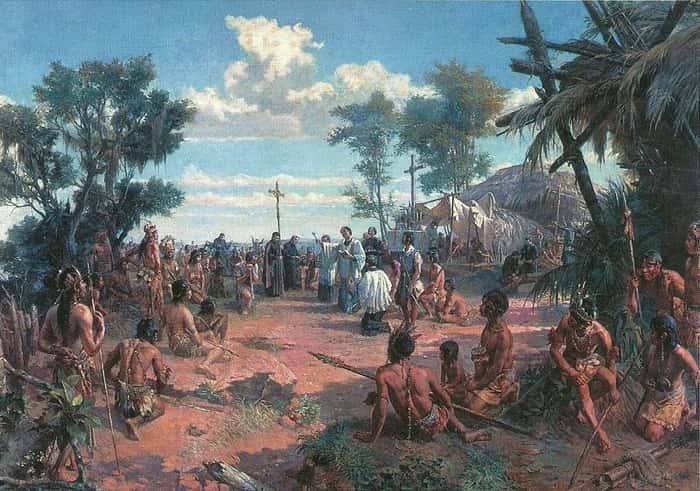
São Paulo, Brazil traces its origins back nearly 500 years to January 25, 1554, and its story is one of remarkable perseverance and transformation. What began as a modest native settlement centered around a Portuguese mission and school would eventually become the largest city in the southern hemisphere. For a long time, though, São Paulo languished in relative obscurity compared to other Brazilian cities, growing at a sluggish pace. Everything changed when the wider world fell in love with coffee — and São Paulo found its moment.
Two Jesuit priests laid the city's foundations by establishing a mission and a school, and a small community of both Europeans and indigenous people took shape around these structures. Growth, however, came painfully slowly — by the dawn of the next century, the settlement was still remarkably small. The early seventeenth century brought a new chapter, as São Paulo became a launching point for explorers driven by the hunt for gold and other riches. This "treasure rush" triggered a notable surge of European immigration into the city. Yet much of the wealth unearthed by these fortune seekers ultimately flowed to Rio de Janeiro, a more established city whose appeal proved irresistible to the newly rich.
The nineteenth century ushered in Brazilian independence, and with it came critical investments in the infrastructure needed to fuel economic growth. The timing could not have been better: across the globe, demand for coffee — one of Brazil's most important crops — was surging. Thanks to its strategic connections to key ports and agricultural regions, São Paulo emerged as the perfect hub for the coffee export trade. This central role in the booming coffee industry became the engine of the city's explosive growth, ultimately shaping it into the sprawling metropolis we know today.