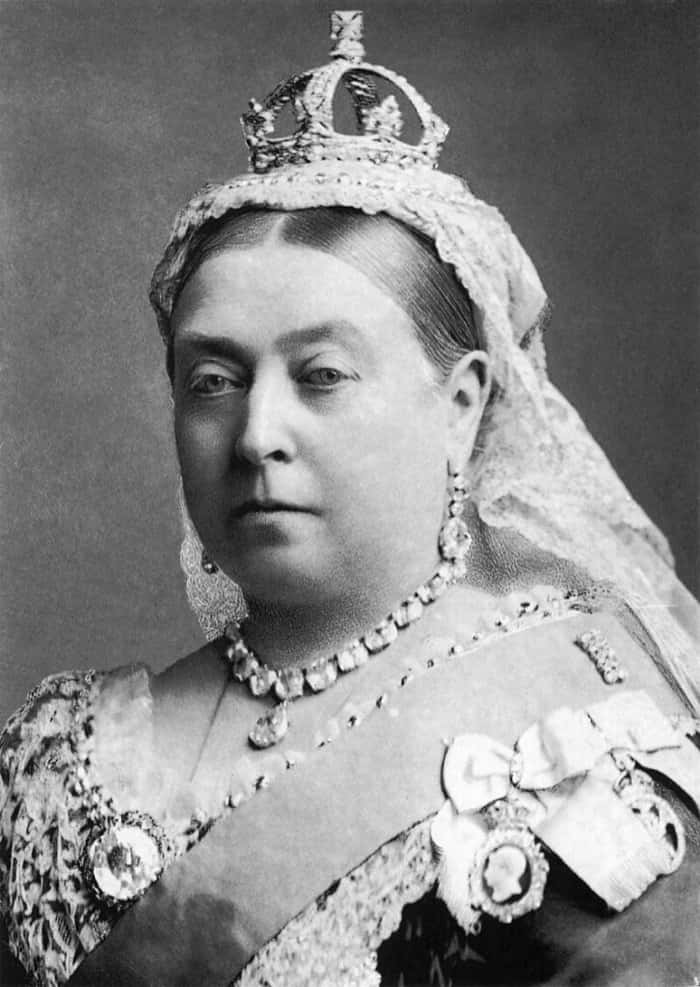
The United Kingdom was plunged into mourning on January 22, 1901, as Queen Victoria drew her final breath, bringing a transformative era to its close. Her death at Osborne House on the Isle of Wight signaled the curtain fall on the Victorian Era. As the second-longest reigning monarch in British history, Victoria had served as a driving force that fundamentally reshaped the political, industrial, and cultural fabric of the 19th century.
Queen Victoria's Legacy
Ascending to the throne in 1837 at just 18 years old, Victoria went on to rule for an extraordinary 64 years. Under her watch, the British Empire swelled to its absolute peak — so vast it earned the famous description "the empire on which the sun never sets." It was an age of breathtaking innovation, with railways, the telegraph, and the Industrial Revolution transforming everyday life beyond recognition. Through wars, revolutions, and sweeping societal upheavals, Queen Victoria stood as an enduring symbol of stability and continuity in a world hurtling forward at dizzying speed.
As the years advanced, Queen Victoria's health steadily deteriorated. She found herself bedridden by early 1901, afflicted by a series of strokes. Family members converged on Osborne House, preparing themselves for what everyone knew was coming. When the moment arrived, the crown passed to her eldest son, Edward VII, ushering in a fresh chapter. The Edwardian Era that followed stood in sharp contrast to the rigid formality of Victorian life, embracing leisure and modernity instead. This dramatic cultural shift in the wake of Queen Victoria's death represented a pivotal turning point in British history.
Global Impact
The passing of Queen Victoria sent reverberations around the world. Though her death arrived at the threshold of the 20th century — a period already alive with social and technological transformation — she remains forever etched in memory as a towering figurehead in Britain.
Her reach stretched well beyond the political sphere, weaving itself deeply into the culture, art, and identity of the time. To this day, her legacy lives on — visible in the architecture of Victorian cities and the countless traditions and customs she helped popularize.
As Britain said goodbye to its beloved "Grandmother of Europe" on that cold January day, the entire world turned a page together, closing one of history's most defining chapters.